Why Is Decor Important in Interior Design?

Time:2026-10-31 Author:Sophia
0%

Decor is often treated as the finishing touch, but it can shape how a room feels and works every day. A rug can soften footsteps across a hard floor. A well-placed lamp can make a reading corner useful after sunset. Even curtains affect privacy, daylight, and the room’s sense of scale. These details do more than fill empty space. They help connect color, texture, lighting, and furniture into an environment that feels considered rather than accidental. Small choices matter.

The question “what is the role of decor in interior design” reaches beyond appearance. Decor can express personal taste, support comfort, and make a room easier to use, but it should respond to the space rather than compete with it. A crowded shelf may look interesting in a photograph and feel tiring at home. Sometimes the best choice is leaving a wall bare. Decor cannot rescue every poor layout, and I would not pretend it can.

This article explores how decor influences mood, function, visual balance, and personal expression. It also considers practical decisions, such as choosing materials that suit daily routines and arranging objects without blocking movement or natural light. There is no single formula for a welcoming room; needs, budgets, and preferences differ. Still, thoughtful choices can help a space feel coherent and lived in. Not perfect. More like yours.
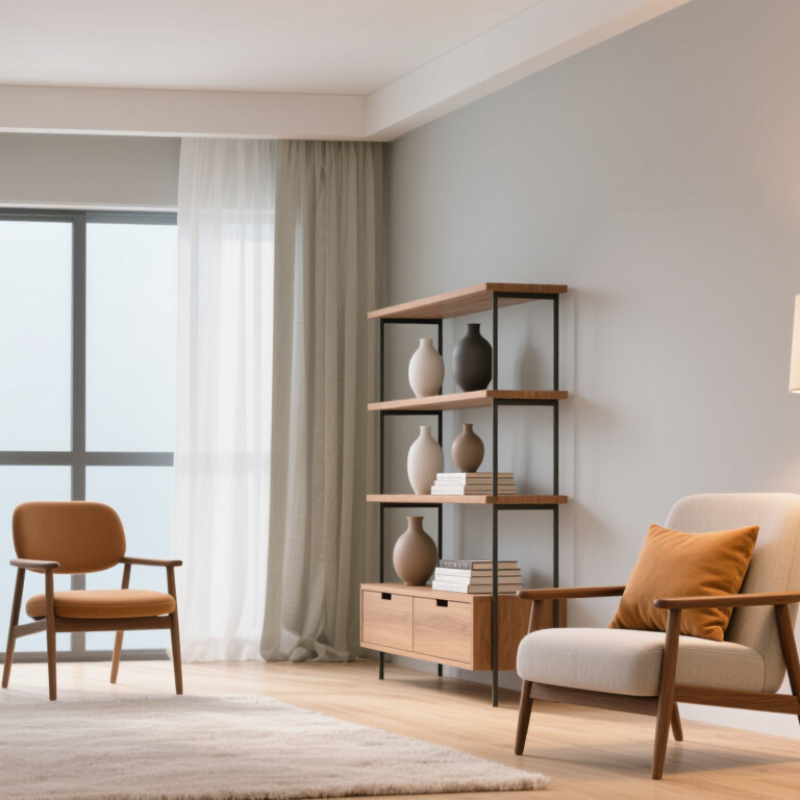
Why Is Decor Important in Interior Design?

What Decor Means in Interior Design

Decor is the visible layer that gives a room character and signals how it should feel and function. It includes movable pieces such as cushions, rugs, lamps, artwork, plants, and objects on shelves. Not just pretty things. A wool rug can soften footsteps, while a shaded lamp makes a reading corner feel calmer. Color, texture, scale, and placement matter as much as the objects themselves. Decor is different from a room’s structure, but it can make that structure feel personal and usable.

The National Association of Realtors’ 2023 Profile of Home Staging found that 81% of buyers’ agents said staging helped buyers picture a property as their future home. The same report identified the living room as the most important room to stage for 39% of buyers’ agents.

These figures describe staging, not a guarantee that particular decorations will suit everyone. A crowded shelf may feel warm to one person and distracting to another. Decor can miss the mark. It is worth asking whether each item supports the room’s purpose, or simply fills an empty spot. A small, imperfect arrangement can feel more inviting than a carefully matched room with no signs of daily life.

Core Elements That Make Up Interior Decor

Interior decor is the visible layer that gives a room its mood and character. Its core elements include color, lighting, furniture, textiles, and decorative objects. Together, they shape how a space looks and feels. A warm cream wall can soften a narrow hallway, while a blue cushion may add contrast without repainting the room. Small changes matter.

Lighting affects both atmosphere and practical use. A reading chair needs focused light, while a dining area often feels more comfortable with softer illumination. Furniture should suit the room’s scale and leave clear paths for walking. A large sofa can overwhelm a small living room, even if its color and style seem right. Measure before buying; it saves trouble.

Texture adds depth through details such as a woven rug, linen curtains, or a smooth ceramic vase. Art, plants, and personal objects can make a room feel lived in, but too many pieces may compete for attention. Try grouping a few items, then leave some surfaces open. I sometimes find a room looks balanced on paper but feels oddly bare in person. That is worth noticing. Decor works best when it supports daily habits, not just photographs. A home should still feel like someone lives there.

How Decor Shapes a Room’s Function and Usability

Decor shapes how easily people move, reach, rest, and complete everyday tasks. A wide walkway beside the sofa makes it easier to carry laundry or pass through with a tray. A lamp near a reading chair puts light where it is needed, while a small table keeps glasses and books within reach. These choices can make a room feel calmer without adding more furniture.

Scale matters. A bulky coffee table may block a route between the sofa and the door, even if it looks attractive. In a small bedroom, wall hooks and a narrow bedside shelf can hold daily items without crowding the floor. Keep frequently used objects visible and easy to access; store occasional items elsewhere. Small changes matter. Still, a carefully styled room can look practical in photographs and feel awkward in daily use. Test the layout by walking through it, opening drawers, and sitting in each seat. A rug’s edge may catch a foot, or a decorative basket may become a place where clutter gathers. That is useful feedback. Decor works best when its appearance supports the way people actually use the space.

Why Is Decor Important in Interior Design? - How Decor Shapes a Room’s Function and Usability

Decor Element How It Shapes the Room Functional Benefit Practical Consideration
Area rugs Define zones within an open-plan room and add texture underfoot. Help distinguish seating, dining, or work areas; can reduce some footfall noise. Choose a size that keeps furniture stable and does not obstruct doors or walkways; use a non-slip pad where appropriate.
Layered lighting Combines ambient, task, and accent light to create different visual conditions. Supports general movement, focused activities such as reading, and visual emphasis on selected features. Position task lights to limit glare and shadows; use suitable bulbs and fixtures for the location.
Curtains and window coverings Influence the room’s softness, privacy, and visual balance. Provide privacy and help control daylight; lined coverings can reduce some heat transfer and outside light. Select an appropriate opacity and ensure coverings can be opened and closed without blocking access.
Mirrors Reflect light and views, affecting how spacious or bright a room appears. Offer a useful reflective surface in entryways, bedrooms, and dressing areas. Securely mount heavier mirrors and consider what they reflect to avoid unwanted glare or visual clutter.
Wall art and display Add color, personal character, and a focal point without changing the room layout. Can help orient attention and reinforce the intended atmosphere of a space. Hang securely and leave enough clear wall space so displays do not compete with essential room features.
Storage baskets and organizers Make storage part of the room’s visual arrangement. Keep frequently used items accessible while reducing loose objects on surfaces and floors. Match container size to the items being stored and keep frequently used contents within easy reach.
Plants Introduce natural shapes, color, and variation in height and texture. Can make a space feel more inviting and provide a visual connection to nature. Choose plants suited to available light and care routines; keep leaves and pots clear of circulation paths.

Good decor supports the room’s purpose by balancing visual appeal with clear circulation, comfortable lighting, accessible storage, and practical maintenance.

How Decor Influences Mood and Personal Expression

Decor does more than fill empty space; it shapes how a room feels and how people use it. Soft, warm lighting can make a living room feel restful, while a clear tabletop may reduce visual distraction. A deep green cushion can feel calming; a yellow bowl adds energy to a quiet kitchen. Texture matters too. Linen curtains soften hard window frames, and a wool rug can make footsteps feel less sharp. These effects are personal, not guaranteed. A color that comforts one person may feel dull or heavy to another.

Decor also gives people a way to show what matters to them. A travel photo, handmade mug, or worn books can make a room feel lived in, not staged. Meaning often comes from the story attached to an object, not its price or polish. A shelf of family photographs might offer comfort, while a few open surfaces keep a small room from feeling crowded. Yet personal rooms can become busy. It is easy to keep adding meaningful things until the space feels restless. Removing one object can help another stand out, though deciding what to put away is not always easy.

Why Is Decor Important in Interior Design?

How lighting choices can shape a room’s mood and express personal style

Light color temperature is measured in kelvins (K). Warm light is often chosen for a cozy atmosphere, while cooler, daylight-like light can feel more energizing. These are typical approximate values, not fixed rules; selecting lighting and decor is one way to make a space reflect your preferences.

Principles for Choosing and Arranging Decor

Decor makes a room feel considered, but more objects do not automatically make it better. Start by noticing how the room is used and where the eye naturally lands. A low bowl on a coffee table can balance a tall lamp nearby, while a small picture may disappear on a wide, empty wall. Scale matters. Leave clear space around favorite pieces so their shapes remain easy to see. In a narrow entry, a shallow tray can collect keys without crowding the walking path.

Choose a limited mix of materials, colors, and shapes, then repeat one or two details across the room. For example, warm wood in a frame can echo a wooden stool, creating a quiet connection. Contrast keeps the arrangement from feeling too matched: pair a smooth ceramic vase with a rough woven texture. Check the view from the doorway and from the seats people actually use. I sometimes keep one object too long because I like it, even when it makes a shelf feel cramped. Moving it elsewhere is worth trying.

Tips: Group objects in odd numbers, such as three books with a small stone on top. Vary their heights, but keep the tallest piece from blocking a window or artwork. Take a quick photo; clutter is often clearer on a screen. Leave one shelf partly empty. That may feel unfinished at first, and sometimes it is—but breathing room can make the useful pieces stand out.

FAQS

How can decor improve a room’s everyday function?

Keep walkways clear and daily items within reach. A lamp beside a reading chair helps, though I sometimes place mine too far away.

What should I check before choosing a coffee table?

Check its size against the route between the sofa and door. A bulky table can block the way, even when it looks lovely.

How can I make a small bedroom feel less crowded?

Try wall hooks and a narrow bedside shelf. They hold daily items without taking much floor space.

How do I know if a room layout works?

Walk through it, open drawers, and sit in each seat. A rug edge may catch your foot. Annoying, but useful.

Can lighting and color affect a room’s mood?

Soft, warm lighting can make a living room feel restful. A yellow bowl may add energy, but colors affect people differently.

What role can texture play in a room?

Linen curtains soften hard window frames, while a wool rug can quiet footsteps. Small details matter.

How can personal objects make a room feel welcoming?

A travel photo, handmade mug, or worn book can carry a story. Its meaning may matter more than its price.

How do I keep meaningful decor from feeling cluttered?

Leave some surfaces open and consider putting one object away. I find this harder than it sounds.

Conclusion

Decor is the collection of visual and practical details that give an interior its character, including colors, textiles, lighting, artwork, accessories, and decorative objects. Together, these elements help a room feel balanced and complete while reflecting the people who use it. Understanding what is the role of decor in interior design means looking beyond appearance: thoughtful choices can support everyday activities, guide movement, create useful focal points, and make a space more comfortable and functional.

Decor also has a strong influence on mood and personal expression. Soft textures and calm colors can create a restful atmosphere, while bold accents may add energy and individuality. To choose and arrange decor effectively, consider the room’s purpose, scale, lighting, and existing features. Mix shapes and textures with care, avoid overcrowding, and arrange items so they feel cohesive rather than competing for attention. When practical needs and personal taste work together, decor can make a room both useful and inviting.

Sophia

Sophia

Sophia is a dedicated marketing professional with an exceptional depth of knowledge about her company's products and services. With a keen understanding of market trends and customer needs, she crafts insightful blog posts that not only inform but also engage readers, enriching the company’s online......