Choosing furniture materials in 2026 requires more than comparing prices, colors, or showroom finishes. A dining table may look flawless under bright lighting, yet swell near a damp kitchen wall. A sofa may feel soft today, but its foam and fabric determine comfort years later. This guide explains how to select materials for long lasting furniture through practical performance, verified quality, and responsible sourcing.
The discussion compares solid wood, engineered wood, metal, glass, natural fibers, performance fabrics, and recycled alternatives. It considers strength, moisture resistance, repairability, maintenance, indoor air quality, and environmental impact. Material labels can be confusing. Certifications, supplier records, and warranty terms deserve careful attention. A reputable manufacturer should explain wood treatments, adhesive content, fabric ratings, and replacement options clearly.
Real furniture decisions also depend on location and use. A humid coastal home needs different protection than a dry apartment. A family dining chair faces spills, movement, and repeated cleaning. A quiet reading bench may need less structural strength but greater comfort. There is no perfect material. Even durable finishes can scratch, and sustainable choices may cost more initially. That tension deserves honest evaluation. By combining professional specifications with hands-on inspection, buyers can avoid attractive but weak products and choose furniture that remains useful, safe, and visually appealing over time.
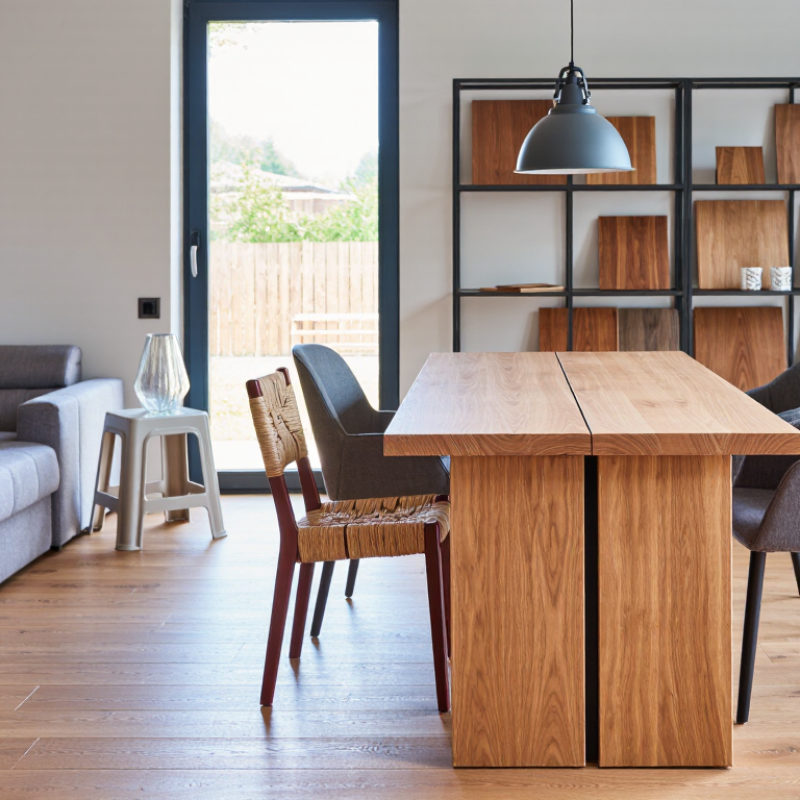
How to Select the Best Furniture Materials in 2026?
Define your furniture needs before comparing materials. A dining table needs stain resistance, stable joints, and easy cleaning. A bedside cabinet needs compact depth and quiet movement. Measure doorways, lift access, and walking space. A beautiful piece becomes frustrating when drawers hit nearby walls. For daily family use, sealed wood veneer or durable laminate may outperform delicate solid timber. In humid rooms, prioritize moisture-resistant panels and protected edges. I still sometimes overvalue appearance, then regret the maintenance demands.
Material choices also carry wider consequences. The FAO’s Global Forest Resources Assessment 2020 reported that 420 million hectares of forest disappeared between 1990 and 2020. The Circularity Gap Report 2024 estimated that only 7.2% of the global economy was circular. Choose certified wood, recycled metals, repairable parts, and replaceable covers where practical. Ask for durability testing, emissions information, and clear maintenance instructions. These details improve reliability, but documentation can still be incomplete.
Tips: Sketch your room with furniture footprints before shopping. Mark sunlight, heat sources, and high-contact areas. Test finishes with a damp cloth, if samples are available. For homes with children or pets, avoid sharp corners and fragile coatings. Check whether hardware can be replaced locally. A lower-cost material is not always cheaper over ten years. I have learned that the “best” choice often means accepting one visible compromise.
Define your furniture needs, available space, expected usage, and exposure to moisture before choosing a material. The chart uses a comparative 1–5 planning score, where 5 indicates stronger performance for the selected criterion.
Interpretation: Solid wood and powder-coated steel are strong choices for heavy-use furniture. Plywood offers a balanced combination of strength, stability, and material efficiency. MDF and particleboard are practical for budget-conscious indoor furniture but are less suitable for damp areas or intensive use.
Choosing furniture materials in 2026 requires more than matching colors. Consider daily use, room conditions, maintenance, and expected lifespan. In my experience, solid wood brings warmth and can be repaired after small scratches. It may swell near kitchens or humid windows, however. Metal offers strong frames and slim profiles. Powder-coated finishes resist ordinary wear, but cheap coatings can chip at exposed corners. Check load ratings and joint quality before buying.
Glass creates visual space, especially in compact rooms. Tempered glass improves safety, yet fingerprints and sharp cleaning marks remain practical concerns. Upholstery feels inviting and reduces echo. Performance depends on fabric density, seam strength, foam recovery, and stain resistance. A dining chair should tolerate repeated spills, not just look attractive in a showroom. Request cleaning instructions and independent performance information when available.
Composite materials can provide stable pricing, lighter construction, and useful moisture resistance. Their quality varies widely. Examine edge sealing, panel thickness, hardware, and formal test documentation. I once chose a stylish composite table with weak edging; daily wiping exposed the problem within months. That mistake changed my buying checklist. No material wins every room. Wood suits repairable, tactile pieces, while metal supports demanding structures. Glass works best where careful cleaning is acceptable. Upholstery needs honest maintenance habits. Compare samples under real lighting, inspect hidden surfaces, and ask how replacement parts are handled. Supplier transparency matters as much as appearance.
Compare common furniture materials by performance, care requirements, comfort, sustainability considerations, and best-use scenarios. Ratings are general guidance because quality, construction, finish, climate, and usage have a major effect on real-world performance.
| Material | Typical Examples | Durability | Moisture & Heat Resistance | Maintenance | Comfort | Sustainability Considerations | Best Applications | Main Limitations |
|---|---|---|---|---|---|---|---|---|
| Wood Solid wood and wood veneer | Oak, maple, ash, walnut, pine, plywood, and veneer panels |
High Solid hardwood can be repaired, refinished, and maintained for many years. |
Medium Finished wood handles normal indoor use, but prolonged moisture can cause swelling, staining, or warping. |
Medium Dust regularly; wipe spills promptly; periodically inspect and renew protective finishes when needed. |
Medium Provides visual warmth but is generally firm unless paired with cushions or upholstery. |
Renewable when responsibly sourced; durability and repairability can extend service life. Adhesives and finishes affect recycling and emissions. | Dining tables, bed frames, cabinets, desks, shelving, and long-term investment furniture | Can scratch, dent, fade in strong sunlight, and react to changes in humidity; solid hardwood may be relatively heavy and costly. |
| Metal Steel, stainless steel, and aluminum | Powder-coated steel, stainless steel, aluminum, and metal frames |
High Strong frames resist wear and can support frequent-use furniture when properly engineered. |
High Stainless steel and aluminum resist corrosion well; untreated steel can rust in humid or wet conditions. |
High Usually requires simple dusting and cleaning with a suitable non-abrasive product. |
Low Hard, cool, and often less comfortable without cushions, ergonomic shaping, or textile coverings. |
Metals can be recycled repeatedly, but mining and primary production require substantial energy. Recycled content improves the overall profile. | Outdoor frames, office furniture, shelving, stools, bed frames, and high-use structural components | Can feel cold or noisy, may dent or scratch, and can corrode when coatings are damaged or unsuitable for the environment. |
| Glass Tempered and laminated glass | Clear, tinted, frosted, tempered, and laminated safety glass |
Medium Tempered glass is stronger than ordinary annealed glass, but edges and corners remain vulnerable to impact. |
High Resists water and common household moisture; rapid temperature changes can increase breakage risk. |
Medium Easy to clean, but fingerprints, dust, and streaks are highly visible. |
Low Hard and cool to the touch; comfort depends on the supporting frame and any cushions. |
Glass is inert and widely recyclable where collection systems accept it. Laminated glass may require specialized processing. | Coffee tables, dining tables, cabinet doors, shelving, desks, and visually light interior designs | Heavy, prone to visible smudges, can chip at edges, and may shatter if the wrong glass type is used or severely impacted. |
| Upholstery Textiles, leather, and synthetic coverings | Wool, cotton, linen, polyester, microfiber, leather, and performance fabrics |
Medium Performance varies considerably; tightly woven fabrics and quality leather generally withstand more abrasion. |
Low to Medium Liquid resistance depends on the fabric, backing, finish, seams, and whether spills are treated promptly. |
Low to Medium Requires regular vacuuming and spot cleaning; removable covers simplify care. |
High Soft, warm, and available in many textures and cushioning systems for seating comfort. |
Natural fibers are renewable but may require significant water or agricultural inputs. Synthetic textiles can be durable but are fossil-based; leather is a long-lasting animal-derived material. | Sofas, armchairs, dining chairs, headboards, ottomans, and acoustic furniture | Can stain, fade, pill, absorb odors, and wear at high-contact areas; some materials are difficult to recycle when bonded to foam or frames. |
| Composite Materials Engineered wood and mixed-material panels | Medium-density fiberboard, particleboard, oriented strand board, and laminate panels |
Medium Stable and consistent for many indoor applications, but edges and fasteners may be vulnerable to damage. |
Low to Medium Standard panels can swell when exposed to water; moisture-resistant grades perform better but are not waterproof. |
Medium Laminated surfaces are easy to wipe; damaged edges and exposed panels require prompt protection. |
Low Usually firm and should be combined with cushions or upholstery for seating. |
Can use wood fibers or recovered material efficiently, reducing solid-wood demand. Resin binders and laminated layers can make repair and recycling more difficult. | Flat-pack furniture, wardrobes, office desks, shelving, cabinets, and budget-conscious interiors | Less repairable than solid wood, vulnerable to water at cut edges, and quality varies with density, thickness, hardware, and surface finish. |
Selection tip: Choose based on the room’s moisture level, expected frequency of use, cleaning routine, comfort requirements, repairability, and the quality of the frame and joinery—not on the surface material alone. For seating and tables with glass components, follow the manufacturer’s load and safety specifications.
Durability should match the furniture’s daily workload. A dining chair needs stronger joints than a decorative hallway bench. In my furniture evaluations, solid wood, steel, and well-constructed plywood often perform reliably. However, material names alone prove little. Inspect edge sealing, fasteners, surface cracks, and movement under pressure. A beautiful finish can hide weak construction. That happened in one test.
Safety deserves equal attention. Choose low-emission finishes, securely attached hardware, and fabrics that resist excessive flammability. Request clear material specifications and independent test documentation when available. Sensitive users may react to adhesives, coatings, or trapped dust. Do not assume “natural” always means harmless. Ventilation helps, but it cannot correct poor manufacturing.
Tips: Test a sample before buying several pieces. Place a damp cloth on the surface, check wobbling, and inspect unfinished edges. For maintenance, select surfaces that tolerate your actual routine, not your ideal routine. Environmental impact includes sourcing, production, lifespan, repairability, and disposal. A durable table needing one repair may be better than a cheap table replaced repeatedly. Still, recycled content is not automatically sustainable if the product fails quickly. I sometimes overvalue appearance; long-term use is the harder measure. Choose replaceable parts and avoid complex mixed materials when practical.
How to Select the Best Furniture Materials in 2026?
A material should respond to the room, not only match a color palette. In humid kitchens, sealed hardwood, porcelain, and powder-coated metal usually handle moisture better than untreated wood. Bathrooms demand careful choices because repeated steam can swell weak core materials. Check edges, joints, and underside surfaces. Water often enters there first. In dry, sunny rooms, UV-resistant finishes help reduce fading near large windows. A sample should sit in the actual room for several days. Lighting changes its appearance.
Daily use matters just as much. For a busy dining area, choose surfaces that resist stains, heat, and repeated wiping. Textured laminates can hide minor marks, while delicate natural stone may need regular sealing. Upholstery requires a different test. Rub the fabric, inspect its weave, and consider dust, pets, or children. Comfort still matters. A highly durable chair can feel unpleasant if its surface stays cold or rough.
Design goals can complicate practical decisions. I once chose a pale porous surface because it looked calm and refined. Coffee rings quickly challenged that decision. The mistake was useful. Beauty needs maintenance planning. Ask how often you will clean, repair, or refinish the piece. Also verify material disclosures, safety documentation, and responsible sourcing from reliable suppliers. Performance claims need evidence, not attractive wording. Even expert choices can age poorly when room conditions change.
Choosing the best furniture material in 2026 requires more than comparing appearance and price. Start with physical quality. Touch the surface, inspect the edges, and check for uneven joints, cracks, or weak hardware. Ask for moisture content, load testing, and abrasion results when buying wood, panels, upholstery, or metal components. A dense panel may feel strong, yet poor edge sealing can cause swelling later.
Certifications should match the material and its intended use. Request current certificates, test reports, and traceable document numbers. Do not trust logos alone. Verify whether an independent laboratory issued the report and whether its testing scope is relevant. Certification does not replace inspection. Samples can still differ from mass production. That detail is easy to overlook.
Cost should include packaging, transport, replacement parts, testing, and possible defect rates. A low unit price can become expensive after damaged deliveries or inconsistent color batches. Ask for a sample before signing a large order.
I once accepted a smooth finish without testing repeated cleaning. It looked excellent at first. After several weeks, the coating dulled. That mistake changed my inspection checklist.
Supplier reliability appears in communication and consistency. Request production photos, material specifications, lead times, and a clear response process for defects. A dependable supplier answers difficult questions directly. Use a small pilot order. It may feel slower, but it reveals packing quality, delivery discipline, and batch consistency. Keep written records of every promise. If answers change repeatedly, pause before committing more money.
Identify the room, daily use, size limits, and maintenance time. A dining table needs stain resistance, stable joints, and easy cleaning. A bedside cabinet needs compact depth and quiet drawers. Measure doorways, lift access, and walking space. Measure twice. I sometimes choose appearance first, then regret the cleaning demands.
Consider sealed hardwood, moisture-resistant panels, porcelain, and protected metal finishes. Inspect edges, joints, and underside surfaces carefully. Water often enters through exposed edges. Untreated wood may swell near kitchens, bathrooms, or humid windows. No material is perfect.
Solid wood offers warmth and can often be repaired after small scratches. Check for stable joints and signs of movement. Metal provides strong frames and slim profiles. Inspect load ratings, welds, and corner coatings. Cheap finishes may chip at exposed edges. The hidden parts matter.
Glass can make a compact room feel more open. Tempered glass improves safety during ordinary use. Fingerprints remain visible, especially near dining areas. Use soft cleaning cloths to reduce marks. Check edges, supports, and panel thickness before purchase. Visual space has maintenance costs.
Check fabric density, seam strength, foam recovery, and stain resistance. Rub the fabric gently and inspect its weave. Dining chairs should tolerate repeated spills and frequent wiping. Consider dust, pets, children, and cleaning habits. Comfort still matters. A durable chair can feel cold or rough.
Examine edge sealing, panel thickness, hardware, and test documentation. Moisture resistance varies widely between products. Weak edging may deteriorate after months of daily wiping. Check whether replacement hardware is available locally. Lower cost is not always lower cost over ten years. I learned this after choosing style over construction.
Consider certified wood, recycled metals, repairable parts, and replaceable covers. Ask for durability testing, emissions information, and maintenance instructions. Prefer furniture that can be repaired instead of discarded. Documentation may still be incomplete. Ask again.
Place samples in the actual room for several days, if possible. Observe sunlight, heat, shadows, and changing indoor lighting. Test finishes with a damp cloth when samples allow it. Mark high-contact areas on a simple room sketch. Inspect hidden surfaces and nearby hardware. A pale surface may look calm but reveal every coffee ring.
Choosing the best furniture materials in 2026 begins with understanding your needs, available space, and expected usage. Consider whether the furniture will serve a high-traffic family area, a humid room, a professional setting, or a decorative space. Compare wood, metal, glass, upholstery, and composite materials based on strength, comfort, appearance, maintenance requirements, and safety. Learning how to select materials for long lasting furniture means looking beyond initial style and price to evaluate resistance to wear, moisture, stains, heat, and structural stress.
The ideal material should also match the room’s conditions and your overall design goals. Review environmental impact, recyclability, responsible sourcing, and relevant safety certifications before making a decision. Check construction quality, finishes, warranties, production standards, and the supplier’s reliability. A well-informed choice balances durability, appearance, upkeep, sustainability, and total cost, helping ensure that your furniture remains functional, attractive, and dependable for many years.

Cropa Home