When considering how to match wall colors with furniture, the choices can be overwhelming. According to a 2022 survey by the American Society of Interior Designers, nearly 70% of homeowners prioritize color coordination when designing their spaces. This underscores the impact of color on aesthetic appeal and overall ambiance.
Color selection is not merely a matter of preference. The psychology of color plays a crucial role in how spaces are perceived. For instance, cooler hues can create a calming effect, while warmer tones may encourage sociability. Professionals often emphasize that understanding these dynamics is vital in achieving a cohesive look.
However, challenges arise in the decision-making process. Many people overlook the importance of undertones, leading to mismatched combinations. A failed attempt at harmonizing colors can detract from a well-designed space, highlighting the need for careful consideration. Each room tells a story, and getting the color palette right is essential for that narrative to resonate well with its furnishings.
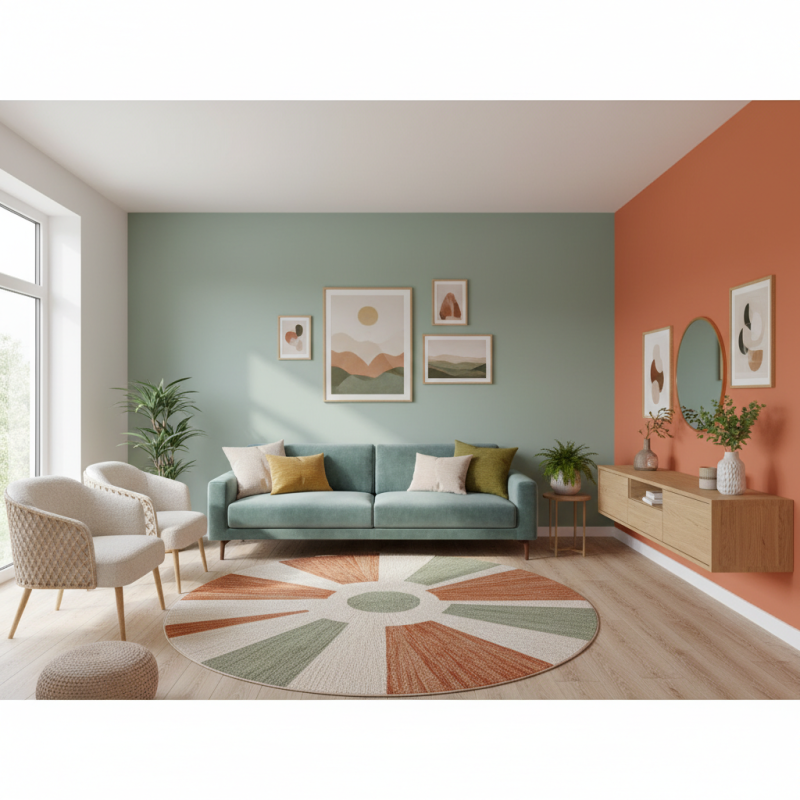
Color theory plays a crucial role in design. Understanding how colors interact can elevate your space. It helps create harmony between wall colors and furniture. Each color has emotional connotations. For instance, blues evoke tranquility, while yellows create energy. Adjusting tones can affect the overall feel of a room.
When matching wall colors with furniture, consider undertones. Warm undertones work well together. Think about pairing earthy browns with warm beige. On the other hand, pairing cool grays with soft greens can create a refreshing look. Experiment with different shades. You might stumble upon unexpected combinations that work.
**Tip:** Use a color wheel as a guide. It illustrates complementary colors—those that enhance each other. Another tip is to test paint samples on your walls. Observe them at different times of the day. Colors can shift dramatically under varying light conditions. This practice helps refine your choices. Embrace the imperfections; they often lead to unique, personalized design outcomes.
| Wall Color | Furniture Color | Color Harmony | Suggested Styles |
|---|---|---|---|
| Soft Beige | Dark Brown | Analogous | Rustic, Traditional |
| Cool Gray | Charcoal | Monochromatic | Modern, Sleek |
| Pale Blue | White | Complementary | Coastal, Airy |
| Warm Yellow | Teal | Complementary | Eclectic, Vibrant |
| Soft Pink | Gray | Analogous | Feminine, Chic |
: The right wall color affects mood and complements your furniture. It sets the overall tone of your space.
Lighter colors can make small rooms feel larger. They create an illusion of more space.
Think about contrast and harmony. A bold wall color can highlight lighter furniture effectively.
Yes, light walls can balance dark furniture. However, too much dark furniture might make the room feel heavy.
Lighting can change how wall colors look throughout the day. Always observe colors in natural light before finalizing.
Bold colors can clash with furniture. They may create tension rather than a harmonious feeling.
Yes, your space should reflect your style. However, be aware that personal preferences can lead to mismatches.
Test paint samples against your furniture. Observe how the colors interact under different lighting.
Gather ideas from various design sources. This can help you find combinations that resonate with you.
Misjudging how colors interact can lead to disharmony. Overusing dark colors can also weigh down the room's vibe.
In the quest for a perfect aesthetic in interior design, understanding how to match wall colors with furniture is crucial. The article begins by exploring color theory, which forms the foundation for creating visually appealing spaces. By selecting the right wall colors tailored to the specific characteristics of a room, one can significantly enhance the atmosphere.
The discussion further delves into the compatibility of various furniture styles with wall colors, emphasizing the importance of harmonious combinations. Readers are guided through techniques to create balance, especially when incorporating bold colors alongside neutral furniture, ensuring a cohesive and inviting environment. Ultimately, mastering these elements allows individuals to achieve a well-designed space that reflects their personal style.

 Cropa Home