How to Maintain Upholstery for Longevity and Durability?

Time:2026-08-14 Author:Henry
0%

Upholstered furniture is a central element in home design, offering both comfort and style. However, maintaining it for long-term use can be challenging. According to the American Home Furnishings Alliance, consumers keep their furniture for an average of only seven years. This short lifespan can be significantly extended with proper care. Therefore, understanding how to maintain upholstery for long-term use is crucial for homeowners and businesses alike.

Regular cleaning is key to preserving the beauty and longevity of upholstery. The Fabric Care Institute states that routine maintenance can increase the life of your furniture by up to 50%. This includes vacuuming and spot cleaning to prevent dirt buildup. Moreover, using appropriate cleaning products is essential to avoid damage. Many people overlook this detail, leading to unintentional wear. Investing in professional cleaning services every few years is another effective strategy.

Furniture placement also plays a significant role in its durability. Direct sunlight can fade colors, while excessive physical stress can weaken materials. Observing these small details can prevent significant issues. Overall, taking the time to understand and implement proper maintenance techniques will result in a longer-lasting, more attractive living space.
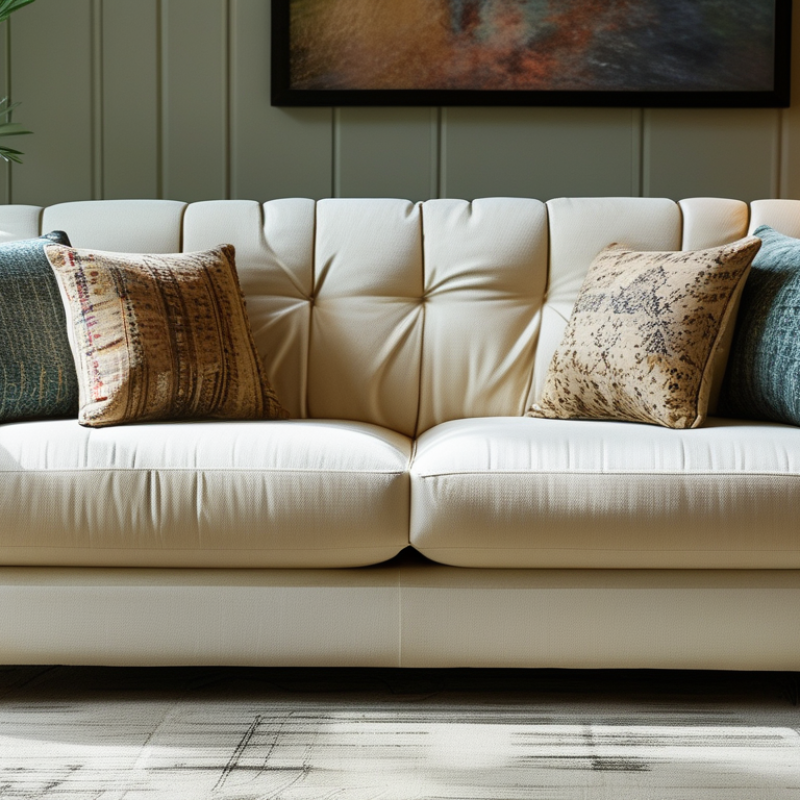
How to Maintain Upholstery for Longevity and Durability?

Understanding Different Types of Upholstery Fabrics for Care

When it comes to upholstery, understanding the different types of fabrics is vital for maintenance. Fabrics such as cotton, linen, and polyester require unique care. Cotton offers comfort but can stain easily. It's crucial to treat spills immediately. Linen, while elegant, can wrinkle and fade. Regular vacuuming helps keep it looking fresh. Polyester is durable but can attract dust, so keep it clean.

Natural fabrics feel nice but need gentle care. Synthetic materials might be easier to maintain but can have a shorter lifespan. Knowing your fabric type allows for informed decisions. Watch out for signs of wear and tear. Don’t ignore fraying edges or fading colors. Regular assessments prevent bigger issues down the line.

Cleaning methods vary based on fabric. Some can be machine-washed; others need professional cleaning. Always check care labels first. Many users overlook this essential step. Having a clear understanding enhances longevity and durability. Emphasize proper cleaning and prevention techniques for your upholstery needs.

Regular Cleaning Practices for Upholstered Furniture Maintenance

Regular cleaning is vital for maintaining upholstered furniture. Dust and dirt accumulate quickly, leading to wear and damage over time. Vacuuming your upholstery weekly can help prevent this. Use a handheld vacuum or an upholstery attachment to reach crevices. Pay attention to high-contact areas, like armrests and seating surfaces. These spots often harbor more grime.

Stains are inevitable, but immediate attention can save your upholstery. Blot spills gently with a clean cloth—avoid rubbing, as this can spread the stain. Test any cleaning solution on a hidden area first. Different fabrics respond uniquely to various treatments. If you’re uncertain, consider seeking professional cleaning services.

Sometimes, despite our best efforts, upholstered furniture shows signs of wear. Fading colors or frayed edges may occur. Reflect on how often you clean and if your methods are effective. Sometimes, even with regular care, it feels like more could be done. It’s crucial to adapt your cleaning routines and be open to new techniques for preserving your cherished pieces.

Regular Cleaning Practices for Upholstered Furniture Maintenance

Protective Measures Against Stains and Wear on Upholstery

Maintaining upholstery involves taking protective measures against stains and wear. Fabrics can deteriorate quickly without proper care. In fact, a recent study highlighted that untreated upholstery can lose its vibrancy within two years. Regular maintenance is essential for longevity.

One effective way to protect upholstery is applying stain-resistant treatments. These products create a barrier against spills. The Fabric Care Institute shows that sofas treated with stain resistance can withstand up to three times more exposure to spills before showing signs of damage. However, choosing the right product can be tricky, as effectiveness varies.

Vacuuming upholstery at least once a week is crucial. It removes dust and dirt that cause wear. According to the American Home Furnishings Alliance, not vacuuming can reduce the lifespan of your upholstery by 40%. Additionally, using fabric protectors or covers can prevent irreversible stains, although some people find them cumbersome. Regular care can significantly augment the durability of your upholstery, making it both practical and worthwhile.

Tips for Repairing and Restoring Upholstery for Extended Use

Upholstery can show signs of wear over time. Routine cleaning helps prevent dirt buildup. Use a soft brush or vacuum cleaner to remove debris. Regular maintenance is crucial to keeping your upholstery looking fresh.

Repairing upholstery often demands patience. Small tears can sometimes be fixed with fabric glue. For larger rips, consider sewing patches that match the original material. Choosing the right thread is vital for lasting repairs. Don’t rush; take your time to match colors and textures properly.

Restoration may require professional help if damage is extensive. A professional can provide expertise in intricate repairs. They might suggest reupholstering if the frame is sturdy but the fabric is beyond saving. Investing in quality repairs can extend the life of your furniture significantly.

Seasonal Care Routines for Long-lasting Upholstered Items

Seasonal care for upholstery is essential for its longevity. Different seasons can impose unique challenges. Summer heat may cause fabrics to fade. Winter moisture can lead to mold growth. Regular maintenance can make a big difference.

One effective tip is to rotate cushions regularly. This helps to distribute wear evenly and prevents sagging. Vacuuming often is also recommended. Use a soft brush attachment to remove dirt and debris. It’s crucial to tackle spills promptly. Blot, don’t rub, to avoid spreading stains.

Another important routine is protecting upholstery from sunlight. Use curtains or shades to minimize direct exposure. This simple act can significantly slow down fading. Additionally, consider a professional cleaning once a year. This can rejuvenate the fabric and extend its life. Even the best upholstery needs a bit of help now and then. Pay attention to how your furniture responds seasonally; it will guide your care efforts.

How to Maintain Upholstery for Longevity and Durability? - Seasonal Care Routines for Long-lasting Upholstered Items

Season Care Routine Recommended Products Frequency
Spring Deep clean using upholstery shampoo Upholstery cleaner Once
Summer Vacuum thoroughly to remove dust and allergens High-efficiency vacuum Weekly
Autumn Check for stains and treat immediately Stain remover As needed
Winter Rotate cushions for even wear N/A Monthly

FAQS

: How often should I vacuum my upholstered furniture?

: Vacuuming weekly helps prevent dust and dirt buildup. Use a handheld vacuum or an attachment for best results.

What should I do if I spill something on my upholstery?

Blot the spill gently with a clean cloth. Avoid rubbing to prevent spreading the stain further.

Can all cleaning solutions be used on upholstery?

No, test any cleaning solution on a hidden area first. Fabrics react differently to various treatments.

How can I protect my upholstery from fading?

Use curtains or shades to limit direct sunlight exposure. This can significantly reduce fading over time.

Is it important to rotate cushions on my upholstered items?

Yes, rotating cushions helps distribute wear evenly and prevents sagging, which can prolong their life.

What should I consider regarding seasonal care?

Be aware of seasonal challenges like sun exposure and moisture. Adjust your cleaning routine accordingly for better preservation.

When is it a good idea to seek professional cleaning?

Consider a professional cleaning at least once a year. This can rejuvenate the fabric and extend its life.

What are high-contact areas in upholstery?

High-contact areas include armrests and seating surfaces. These spots tend to collect more dirt and grime.

Can I rely solely on regular cleaning for upholstery care?

Regular cleaning is vital, but you may need to adapt methods or try new techniques for better results.

How can I reflect on my cleaning methods?

Assess your cleaning frequency and effectiveness. It’s essential to think about what more could be done for your furniture.

Conclusion

To ensure the longevity and durability of your upholstered furniture, it is essential to understand how to maintain upholstery for long term use. This involves recognizing the various types of upholstery fabrics, each requiring specific care practices. Regular cleaning routines help to eliminate dirt and dust, while protective measures can shield against stains and wear.

Additionally, knowing tips for repairing and restoring upholstery can significantly extend its life, allowing you to enjoy your furniture for years to come. Implementing seasonal care routines further enhances durability, ensuring your upholstered items remain in prime condition. By following these guidelines, you can effectively preserve the appearance and functionality of your upholstery.

Henry

Henry

Henry is a dedicated marketing professional with a profound expertise in the company's offerings. With years of experience in the industry, he possesses an impressive understanding of the market dynamics and consumer behaviors that drive success. Henry is committed to sharing his insights through......