As 2026 approaches, homeowners and designers are asking, “what are the latest interior design trends?” The answer is not one fixed style. Instead, interiors are becoming more personal, practical, and responsive to daily life. Warm neutrals, curved furniture, natural textures, and flexible layouts are gaining attention. Picture a soft clay wall, a low oak table, and linen curtains moving gently beside an open window.
Comfort still matters.
Design professionals are also examining sustainability more carefully. Reclaimed wood, recycled textiles, repairable furniture, and energy-efficient lighting can reduce unnecessary waste. However, a material is not automatically responsible because its label says “eco-friendly.” Its origin, durability, maintenance needs, and disposal options deserve closer review. Reliable design decisions should consider evidence, not attractive marketing alone.
Technology will become quieter in well-planned homes. Smart lighting may adjust from bright morning settings to warmer evening tones. Hidden charging points and adaptable storage can support changing routines without dominating the room. Biophilic details, such as potted herbs, daylight, and textured stone, may improve the sense of calm. Still, not every predicted trend will suit every household. Some fashionable layouts may feel impractical after a few months. A beautiful room can fail when it ignores children, pets, mobility needs, or genuine storage demands. The strongest 2026 interiors will balance visual character with lived experience, professional guidance, and honest reflection. Trends can inspire. They should not control the way people live.
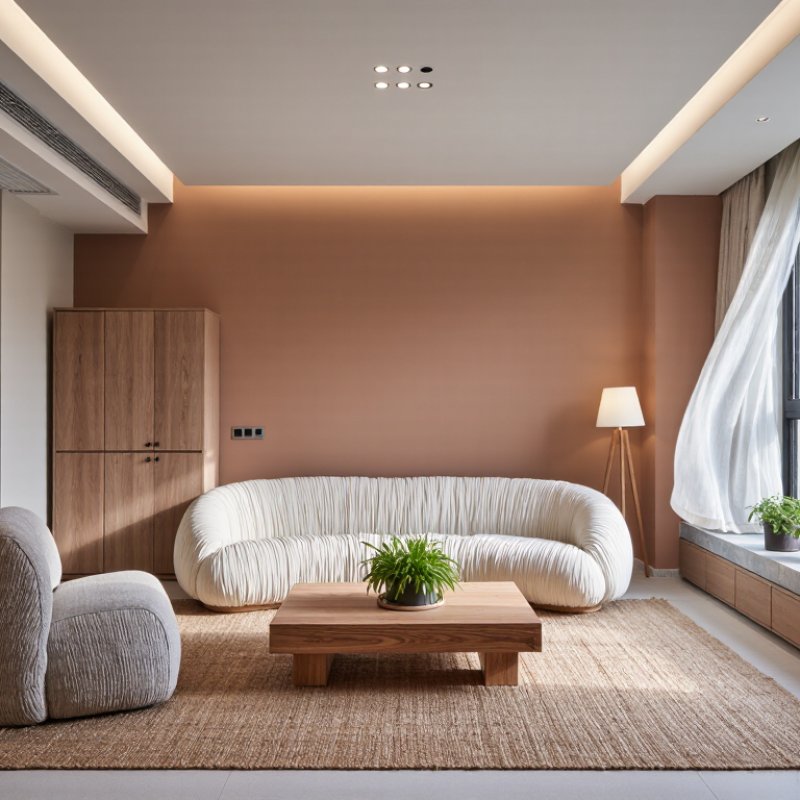
Interior design in 2026 is being shaped by comfort, restraint, and personal meaning. The Global Wellness Institute valued the wellness economy at 6.3 trillion dollars in 2023. That growth is influencing residential interiors. Designers are creating quieter rooms, softer lighting, and small areas for reading or recovery. Natural stone, unfinished wood, limewash, and woven fabrics add visible texture. These materials feel warm under changing daylight.
Color is becoming more emotional. Deep brown, muted green, clay, and dusty blue are replacing some colder neutrals. The National Kitchen and Bath Association’s 2025 Design Trends Report highlights nature-inspired palettes, multifunctional rooms, and aging-friendly features. This points toward homes that adapt instead of simply impressing. Concealed storage remains important. Yet perfectly hidden interiors can feel strangely impersonal. A visible stack of books may offer more character than another seamless cabinet.
In practical projects, designers are mixing old and new elements. A vintage table can sit beside a sculptural chair. Reclaimed timber may contrast with polished metal. This layered approach supports the circular design movement and reduces dependence on disposable decoration. Energy performance also matters. The International Energy Agency reports that buildings account for about 30 percent of global energy demand, making shading, ventilation, and efficient lighting central design concerns. Not every trend deserves adoption. Some dramatic finishes photograph beautifully but age badly, especially in rooms used every day.
In 2026, interiors are moving toward warmer, quieter color palettes. A 2025 survey of more than 500 design professionals found rising interest in earthy browns, muted greens, and soft mineral shades. These colors work well with changing daylight. They also feel less disposable than sharp, high-contrast schemes. I would avoid painting every wall dark, though. A clay-colored reading nook may feel inviting, while the same shade can overwhelm a narrow hallway.
Material choices are becoming more tactile and responsible. The 2025 Global Wellness Economy Monitor valued the wellness real estate sector at 438 billion dollars in 2023, showing stronger demand for healthier living environments. Designers are responding with unfinished wood, limewash, wool, cork, and low-emission finishes. The U.S. Environmental Protection Agency reports that indoor pollutant levels can be two to five times higher than outdoor levels. This makes ventilation, material transparency, and cleanable surfaces practical design concerns, not decorative extras.
Texture will carry more visual interest in restrained rooms. Ribbed timber, nubby upholstery, hand-shaped ceramics, and brushed stone create movement without excessive pattern. A 2025 professional interiors outlook also identified layered textures as a major preference for residential spaces. Yet texture can become cluttered quickly. One rough wall, one woven chair, and a matte floor may be enough. I still think many trend forecasts underestimate maintenance. Beautiful materials must survive muddy shoes, pets, and ordinary mistakes.
What Are the Latest Interior Design Trends for 2026?
Integrating Smart Technology with Human-Centered Interior Design
In 2026, smart interiors are becoming quieter, warmer, and more personal. Technology should support daily routines without dominating the room. Consider lighting that adjusts to daylight, temperature controls that respond to occupancy, and blinds that reduce afternoon glare. These features can improve comfort while preserving a calm visual atmosphere. However, automation is not always better. A sensor may misread an empty chair, leaving a room unnecessarily cold or dark. Human-centered design requires simple manual controls, clear feedback, and accessible alternatives.
Tips: Hide equipment within cabinetry, use tactile switches, and keep screens away from relaxation areas. Test every automated feature at different times of day. Ask residents whether the system feels helpful or intrusive. Protect privacy by limiting data collection and explaining how connected devices operate.
Natural materials remain important because people need sensory contrast. Wood grain, woven fabric, soft acoustics, and adjustable lighting can make technology feel less clinical. In one practical approach, a reading corner might include a small control panel, warm task lighting, and a nearby physical switch. This arrangement supports convenience without forcing users to rely on an application. I still question whether every room needs intelligence. Sometimes, a well-placed lamp works better. The most reliable interiors leave space for imperfect habits, unexpected guests, and human choice.
In 2026, interior design is moving toward sustainable, flexible, and wellness-focused homes. Flexible rooms matter more than decorative statements. A dining area can become a work zone, exercise corner, or quiet reading space. Sliding partitions, nesting tables, and concealed storage support these daily changes. Rooms should adapt.
Materials now need a longer life. The 2024 Global Status Report for Buildings and Construction reports that buildings consume 32% of global energy and produce 34% of energy-related carbon emissions. Designers can respond with reclaimed timber, low-emission finishes, repairable furniture, and locally sourced stone. However, “natural” does not always mean sustainable. Transport distance, extraction methods, and replacement cycles still require careful checking. A beautiful material can carry an uncomfortable footprint.
Wellness design is becoming more measurable. The Global Wellness Institute reported that the wellness economy reached 6.3 trillion dollars in 2023, with projections approaching 9 trillion by 2028. In practical spaces, this means daylight near work surfaces, layered lighting at night, quieter bedrooms, and better airflow. Warm textures can reduce visual stress, while plants add softness without filling every corner. Yet wellness should not become another expensive aesthetic. Some homes need fewer objects, not more products. The ideal room may look slightly unfinished, because real life keeps changing.
In 2026, interior trends should adapt to real rooms, not dominate them. Living rooms benefit from curved seating, layered lighting, and tactile fabrics. A small rug can define a reading corner without expensive construction. Bedrooms suit softer colors, concealed storage, and dimmable lamps. Keep the palette calm. For limited budgets, repainting one wall and changing hardware can create noticeable rhythm. Mid-range projects may add built-in shelving or movable partitions. Higher budgets can improve acoustics, insulation, and custom joinery.
The U.S. Department of Energy’s 2020 Residential Energy Consumption Survey reported that space heating used 42% of household energy. This makes thermal comfort a design priority, especially in bedrooms and home offices. Choose lined curtains, draft control, and efficient lighting before buying decorative objects. In kitchens, durable work surfaces and flexible storage usually deliver more value than fashionable finishes. In bathrooms, low-flow fittings and moisture-resistant materials support both appearance and maintenance. These choices serve modern, traditional, and minimalist interiors.
The 2024 Global Status Report for Buildings and Construction found that buildings consumed about 32% of global energy and produced roughly 34% of global carbon emissions. Reuse matters. Refurbished furniture, local materials, and repairable finishes can support a lower-impact scheme. Still, sustainability claims need scrutiny; not every “natural” material has a low footprint. I would also resist copying every 2026 forecast. Trends can age badly. A slightly imperfect room, with visible books and mismatched chairs, may feel more convincing than a perfectly staged interior.
Use sliding partitions, nesting tables, and concealed storage. A dining area can become a desk, exercise corner, or reading space. Rooms should adapt.
Consider reclaimed timber, repairable furniture, local stone, and low-emission finishes. Check transport distance, extraction methods, and replacement cycles. “Natural” is not always sustainable.
Place work surfaces near daylight. Add layered lighting, better airflow, and quieter bedroom materials. Sometimes, fewer objects work better.
Repaint one wall, replace cabinet hardware, and add a small rug. Curved seating or tactile fabric can soften the room. Small changes count.
Use lined curtains, draft control, and dimmable lamps. Keep the color palette calm. A cooler, quieter room may support better rest.
Choose durable work surfaces and flexible storage. Deep drawers can hold pans, bowls, and cleaning tools. Trendy finishes may age quickly.
Use low-flow fittings and moisture-resistant materials. Keep ventilation effective, especially after a hot shower. Beauty needs practical support.
No. Trends can age badly. Choose changes that suit your room, budget, and habits. Visible books and mismatched chairs may feel more honest. I would still question my choices.
What are the latest interior design trends for 2026? The direction is moving toward interiors that feel warm, personal, adaptable, and connected to everyday well-being. Organic shapes, layered textures, natural materials, and calming yet expressive color palettes are expected to create spaces with greater comfort and character. Rather than following one rigid style, homeowners can combine timeless foundations with distinctive details that reflect their personality.
Technology will become more integrated while remaining subtle and human-centered, supporting convenience without overwhelming the room. Sustainable choices, multifunctional furniture, flexible layouts, improved lighting, and wellness-focused features will also shape the way people live. These ideas can be adapted across kitchens, bedrooms, living areas, and workspaces, whether the preferred look is minimalist, traditional, contemporary, or eclectic. With thoughtful planning, the trends can suit different budgets by prioritizing durable materials, versatile pieces, and small but meaningful updates.

Cropa Home