Interior aesthetics is the visual and emotional quality of a living space. It involves color, proportion, texture, lighting, layout, and personal meaning. A beautiful room does not require expensive furniture or a designer budget. It requires thoughtful choices.
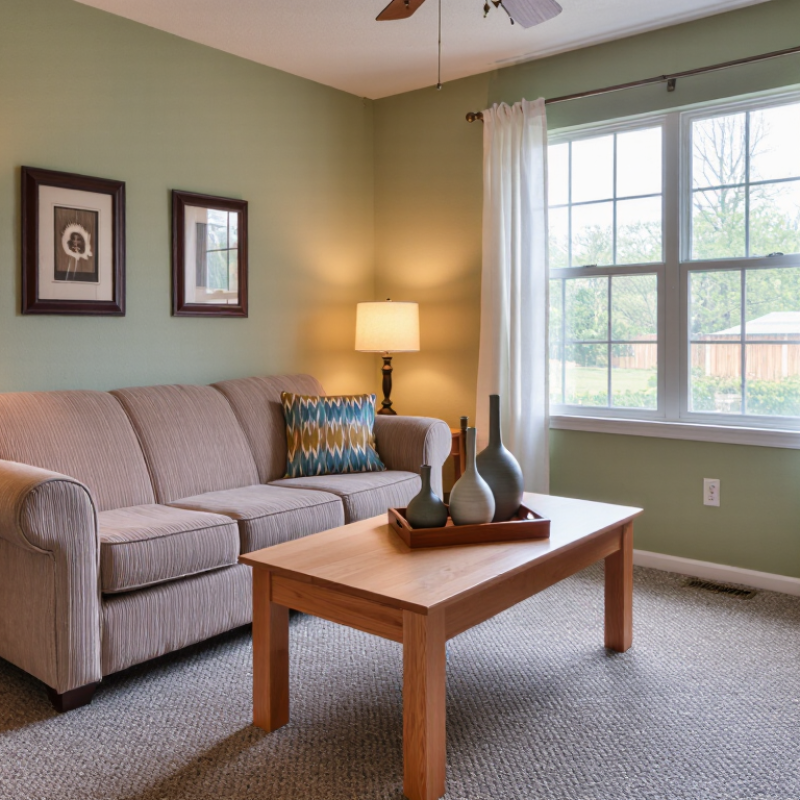
Veteran interior designer Nate Berkus offers a useful principle: “Your home should rise up to greet you.” That idea supports a practical approach to how to improve interior aesthetics on a budget. Start with what you already own. Move the sofa toward natural light. Remove one crowded side table. Group three ceramic pieces on a wooden tray. Small changes can make a room feel calmer and more intentional.
Paint is often the strongest low-cost transformation. A warm white can brighten dark walls, while a muted green can add depth behind open shelving. Replace harsh overhead bulbs with warm lamps. Wash the curtains. Hide visible cables. Add one affordable cushion with a distinct pattern, rather than buying several matching accessories.
Not everything will work.
A first arrangement may feel awkward. That is useful information. Live with it for a week, then adjust the spacing, height, or color balance. Avoid copying a showroom exactly. Your home should reflect daily habits, including books, tools, and signs of use. The most reliable improvements come from testing changes gradually. A modest budget can still create a room that feels welcoming, practical, and unmistakably yours.
Defining Interior Aesthetics: Principles, Styles, and Spatial Function
Interior aesthetics is the relationship between visual character and everyday use. It combines color, texture, proportion, light, and personal meaning. Good design does not require expensive objects. It requires deliberate choices.
Balance keeps a room from feeling crowded or empty. Repeated colors create rhythm, while varied textures add depth. Proportion matters too. A large sofa can overpower a narrow living room. Function comes first. A reading chair needs clear light and enough space to move around it. Style should support the room’s purpose, not disguise its problems. Minimal, rustic, modern, or eclectic styles can all work when their materials and colors feel connected. A calm bedroom may use soft fabrics, low contrast, and warm lighting. A busy kitchen needs clear surfaces and durable finishes. That distinction matters.
On a limited budget, begin with measurement and observation. Remove one unnecessary item before buying anything new. Rearranging furniture can improve circulation within an afternoon. A fresh wall color may change the room’s mood, but test a small area first. Daylight can make paint appear unexpectedly cold or yellow. Use curtains, lamps, and mirrors carefully rather than covering every wall. A secondhand wooden table can add warmth when its scale fits the space. I often prefer one useful object over several decorative pieces. Still, my choices are not always perfect. A room can look attractive yet feel inconvenient. That is a useful warning. Live with changes for a week, then adjust what interrupts movement, comfort, or storage.
Assessing Your Space: Why People Spend About 90% of Time Indoors
Interior aesthetics is not only about attractive furniture or matching colors. It concerns how a space supports daily life, comfort, and movement. People spend about 90% of their time indoors, although the exact figure varies by lifestyle and location. That makes small environmental details surprisingly important. Poor lighting, blocked walkways, or constant visual clutter can quietly increase fatigue.
Assess the room before buying anything.
Record where daylight enters, where you sit, and which corners feel uncomfortable. Stand there at different times. Notice the afternoon glare on a screen, the cold floor near a window, or the chair that collects unused clothing. Research in environmental psychology links perceived control, natural light, and orderly surroundings with better indoor comfort. Still, aesthetics is personal. A perfectly arranged room may feel lifeless to someone who values creativity.
Improvement does not require expensive renovation.
Move the main seating toward natural light, then keep the walking path clear. Group loose objects on one tray instead of spreading them across several surfaces. Use a warm lamp for evening tasks, and remove one item that adds noise without serving a purpose. Reusing existing textiles can soften hard surfaces and reduce unnecessary spending. I would not treat every popular design rule as universal. Some advice ignores renters, small homes, disabilities, or shared rooms. A practical space may look slightly imperfect, yet feel more honest, usable, and restful.
Planning a Budget: Use Houzz’s 2024 Renovation-Spending Data
Interior aesthetics is not about expensive furniture. It is about how color, light, texture, and space work together. A calm room can come from a warm lamp, a secondhand wooden table, and fewer visible objects. However, good design still needs a realistic budget.
The 2024 renovation-spending data offers a useful planning reference. It shows that project costs vary widely by room, scope, location, and labor needs. Use those figures as benchmarks, not promises. Measure your space before shopping. Separate essential repairs from visual upgrades. For example, fixing a leaking sink should come before replacing cabinet handles. Set aside 10% to 20% for surprises. Older homes often hide them. My own budget plans have failed when delivery fees and small hardware were ignored.
Tips: Choose one strong focal point, such as a painted wall or textured rug. Repeat its color through cushions, artwork, or pottery. Buy samples before committing. Compare material quality, not just price. Paint can change dramatically under evening lighting. Start with one room. A smaller, finished improvement usually feels better than several incomplete projects. You may also save by refinishing existing furniture, but the time and tools still have a cost.
What Is Interior Aesthetics and How to Improve on a Budget?
Interior aesthetics combine layout, color, materials, lighting, and visual balance. A practical way to control renovation costs is to compare project types and prioritize the spaces that create the greatest everyday impact.
The chart shows median U.S. renovation spending for projects completed in 2023, reported in a 2024 residential renovation spending study. Smaller bathroom and kitchen updates generally require less capital, making them suitable starting points for budget-conscious aesthetic improvements.
Improving Lighting Affordably: LEDs Use at Least 75% Less Energy
What Is Interior Aesthetics and How to Improve on a Budget?
Interior aesthetics is the balance between comfort, function, color, texture, and light. Lighting often changes a room more than expensive furniture does. A warm lamp can soften white walls and make a small table feel intentional. The U.S. Department of Energy reports that LED lighting uses at least 75% less energy than incandescent bulbs. It can also last up to 25 times longer. These figures make efficient lighting a practical design decision, not only an environmental choice.
Start with the rooms you use most. Replace one frequently used bulb, then observe the shadows, glare, and evening mood. Choose warmer light for bedrooms and living areas. Use brighter, cooler light near work surfaces. Layer ceiling lighting with a floor lamp or a small wall light. This creates depth without renovation costs. The International Energy Agency identifies lighting as roughly 15% of global electricity consumption, so small household changes can matter. Still, efficient lighting cannot fix every design problem. I have found that too many light sources can make a room feel restless.
Tips: Clean bulbs and fixtures monthly. Dust can dull the light noticeably. Use mirrors near lamps, but avoid placing them opposite harsh bulbs. Test one bulb before buying several. Check color temperature and brightness carefully. A low-cost dimmer may improve comfort, though compatibility must be confirmed first. The cheapest option is not always the most attractive one.
Evaluating Visual Balance: Apply the 60–30–10 Color Distribution Rule
The 60–30–10 rule gives a practical structure for affordable rooms. Use 60% for the dominant color, usually walls, rugs, or large furniture. Add 30% through curtains, bedding, cabinets, or an accent chair. Reserve 10% for small, vivid details, such as cushions, pottery, or framed art. In a compact living room, warm white walls, muted blue textiles, and terracotta accessories can feel balanced. Measure visible surfaces, not just item counts. A tiny bright object can overpower a quiet space. That is easy to miss.
Tips: Test colors beside a window at morning and evening. Paint a sample on cardboard before committing. Choose one repeated accent across three small objects. Shop secondhand for frames, lamps, and solid wood pieces. Rearrange before buying. Free changes matter. Not always.
Budget styling still needs judgment. The rule is a guide, not a law. Practical room testing often reveals overly cautious color choices. A diluted 10% accent may disappear completely. Adding several “small” colors can also make the room feel restless. Removing two accents may work better than buying replacements. Texture affects visual weight, too. A thick cream rug may dominate more than its floor area suggests. Keep a simple photo log, compare the room from the doorway, and adjust slowly. Balance should feel intentional, not perfectly measured.
What Is Interior Aesthetics and How to Improve on a Budget? - Evaluating Visual Balance: Apply the 60–30–10 Color Distribution Rule
| Room Application |
60% Dominant Color |
30% Secondary Color |
10% Accent Color |
Low-Cost Implementation |
Visual Allocation |
| Living Room |
Warm ivory
#F2EDE3
|
Greige textiles
#A99B8D
|
Deep green
#2F5D50
|
Keep existing walls; add removable cushion covers, a second-hand throw, and one painted planter or frame. |
Walls and ceiling
Upholstery and rug
Accessories and artwork |
| Bedroom |
Soft beige
#E8E0D5
|
Muted sage
#6F7D73
|
Terracotta
#B36A4C
|
Use a neutral duvet, one sage bed throw or curtain panel, and terracotta accents through pillowcases or small artwork. |
Walls and bedding base
Headboard and curtains
Pillows and decor |
| Home Office |
Off-white
#F5F1E8
|
Slate blue
#4C6170
|
Ochre
#D09A3D
|
Paint or cover one focal wall, reuse a neutral desk, and add ochre through a lamp shade, file boxes, or framed prints. |
Background surfaces
Desk chair and storage
Small accessories |
| Dining Area |
Light sand
#EDE6D8
|
Stone gray
#7D756B
|
Brick red
#8C3F35
|
Change the table runner and seat cushions; use one red vase, candleholder, or piece of wall art as the focal accent. |
Walls and flooring
Table and seating
Tabletop and wall decor |
| Small Entryway |
Pale gray-white
#F1EEE8
|
Taupe
#83766A
|
Deep teal
#1F4E5F
|
Use a washable neutral mat, repaint a small bench, and introduce teal through one mirror frame, tray, or wall print. |
Walls and door
Bench and mat
Mirror and accessories |
| Budget Priority |
60%
Prioritize existing large surfaces before buying new furniture.
|
30%
Update one or two medium-sized textile or furniture elements.
|
10%
Spend selectively on small, movable focal details.
|
The rule is a visual proportion, not a requirement to purchase three times as many items in one color. |
60 + 30 + 10 = 100% |
Planning note: The 60–30–10 method measures the approximate share of visible color across major surfaces, medium-sized elements, and small accents. It is a flexible design guideline rather than a strict measurement standard.
FAQS
Interior aesthetics balances comfort, function, color, texture, light, and available space. A calm room may need fewer objects, not expensive furniture.
Measure the room before shopping. Separate essential repairs from visual improvements. A leaking sink comes first. Use spending data as a benchmark, not a promise.
Reserve about 10% to 20% for surprises. Older homes may hide damaged pipes, uneven walls, or outdated wiring. Small hardware and delivery fees can quietly break a budget.
Choose one focal point, such as a painted wall or textured rug. Repeat its color in cushions, artwork, or pottery. One finished room often feels better than several incomplete projects.
Yes. Refinishing a wooden table can cost less than replacing it. Remember the cost of tools, supplies, and your time. I have underestimated those costs before.
Layer ceiling lighting with a floor lamp or small wall light. Warm bulbs suit bedrooms and living areas. Brighter light works better near desks and counters. Too many fixtures can feel restless.
Efficient bulbs use at least 75% less energy than traditional incandescent bulbs. They may also last up to 25 times longer. That makes them practical, not merely decorative.
Test one bulb first. Check brightness, color temperature, glare, and evening shadows. A low-cost dimmer may improve comfort, but compatibility matters. The cheapest choice may look disappointing.
Clean bulbs and fixtures monthly because dust can reduce brightness. Place mirrors near lamps carefully. Avoid reflecting harsh light directly into the room. Small changes help, but lighting cannot repair every design problem.
Conclusion
Interior aesthetics is the art of creating a space that feels visually pleasing, comfortable, and functional. It combines design principles such as proportion, harmony, texture, and contrast with personal style choices, whether modern, minimalist, traditional, or eclectic. Since people spend about 90% of their time indoors, thoughtfully improving the home can support comfort and well-being. Begin by assessing the room’s layout, natural light, storage needs, and daily activities before making changes.
To understand how to improve interior aesthetics on a budget, create a practical plan based on your priorities and current 2024 renovation-spending data. Focus first on affordable improvements with lasting impact, such as rearranging furniture, reducing clutter, adding textiles, and replacing outdated lighting with energy-efficient LED bulbs, which use at least 75% less energy than traditional options. For visual balance, apply the 60–30–10 color rule: use one dominant color for 60% of the room, a secondary shade for 30%, and an accent color for the remaining 10%.

 Cropa Home