A modern living room does not need to look cold or overly polished. Chinese decorative pieces can add warmth, history, and visual rhythm without creating clutter. This guide explores how to decorate a modern living space with Top China Decor through balanced materials, thoughtful placement, and dependable sourcing.
Begin with a calm foundation. Use warm white walls, natural oak, or soft gray upholstery. Then introduce one strong Chinese element, such as a hand-painted porcelain vase or a lacquered side table. A Ming-inspired chair can sit beside a low contemporary sofa. Leave space around it. Empty space gives craftsmanship room to speak.
Texture matters as much as color. Layer a silk cushion with a woven bamboo basket or a muted wool rug. Choose jade green, cinnabar red, ink black, or earthy clay tones carefully. Small accents often feel more convincing than a themed room. A single ceramic vessel may work better than six matching ornaments.
Reliable decoration begins with responsible research. Check material descriptions, artisan details, dimensions, and care instructions before purchasing. Reputable sellers should explain finishes, production methods, and return policies clearly. Handmade pieces may contain slight variations. That is part of their character, not automatically a defect.
Still, balance can be difficult. A bright screen, crowded shelf, or oversized cabinet may weaken the room’s calm feeling. Personal taste also changes over time. The best design leaves room for adjustment, reflection, and daily living. Beauty should feel usable, not staged.
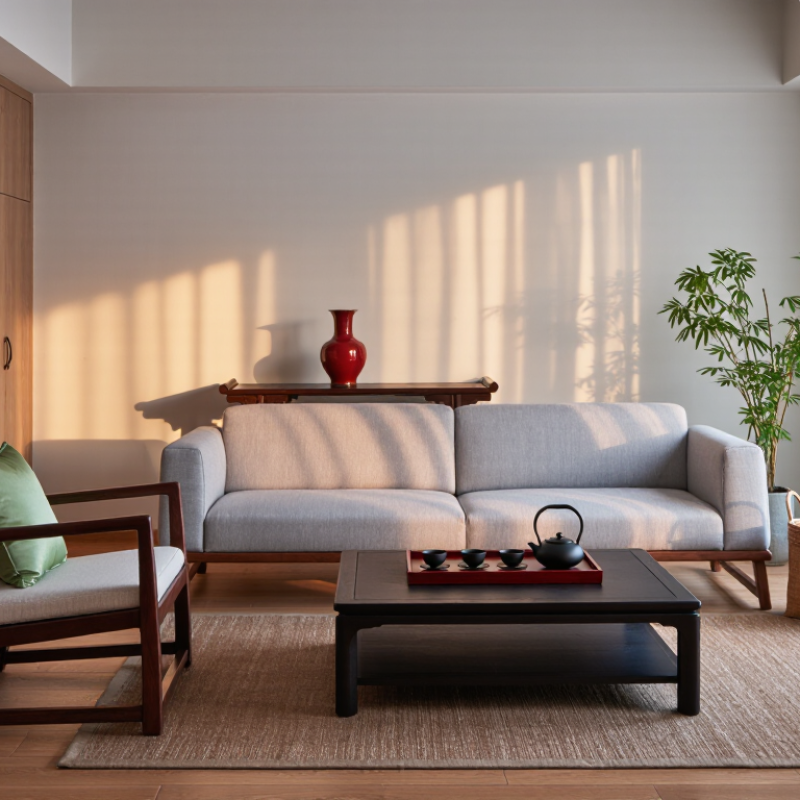
Here, China decor means Chinese porcelain, ceramics, carved screens, and related craft objects. Its role is not to make a modern room look historical. It adds cultural depth, tactile contrast, and a clear visual pause. A celadon vessel beside a black floor lamp can soften sharp lines. A blue-and-white bowl on a pale oak table can introduce rhythm without overwhelming the room.
The opportunity is substantial. Grand View Research valued the global home decor market at approximately $682.9 billion in 2023. It also forecasts a 3.6% compound annual growth rate from 2024 to 2030. That growth reflects continued interest in meaningful interiors, not only larger furniture purchases. However, market growth does not prove that every decorative object deserves space. Careful selection still matters.
Material choice also carries responsibility. The United Nations Environment Programme reported in its 2023 Global Status Report that buildings create about 37% of global energy-related emissions. Durable ceramic pieces can support slower, longer-use decorating when they are maintained and kept for years. Place one strong object near natural light. Repeat its color through a cushion or artwork. Leave empty space around it. Less can feel warmer. I have sometimes added too many cultural references, and the room became staged. Proportion, personal use, and honest appreciation should guide the final arrangement.
China decor combines visual character with practical functions. In a modern interior, porcelain and ceramic pieces can add color, texture, cultural depth, and carefully placed focal points without overwhelming the space.
Modern living rooms benefit from Chinese decor that feels intentional, not crowded. I usually begin with style. A carved wooden screen adds traditional character, while a simple ceramic vessel suits a cleaner interior. Mix one detailed piece with quieter furniture. Too many ornate objects can make the room feel visually heavy.
Color should connect with the existing palette. White, charcoal, muted jade, and warm wood create a calm foundation. A deep red accent can energize a neutral sofa, but use it carefully. Natural materials often look more authentic than glossy imitations. Still, perfection is not the goal. A slightly uneven glaze may add warmth and remind visitors that the object was made by hand.
Tips: Check scale before buying. A small vase disappears on a large console. A tall screen can overwhelm a narrow room. Leave space around decorative pieces so each item can breathe. Choose function as well as appearance. A lidded ceramic container can hold keys, while a low wooden stool can serve as extra seating. Keep fragile objects away from busy walkways and unstable shelves. Test the arrangement during daylight and evening lighting. Some colors change more than expected.
How to Decorate a Modern Living Space with Top China Decor?
A balanced room needs contrast, not a crowded display. In practice, I place one porcelain vase on a low console, leaving clear space around it. Its pale glaze catches daylight without competing with the sofa. A hand-shaped ceramic bowl can sit nearby, adding texture and a small irregular detail. Perfect symmetry often feels cold.
Use artwork to connect these objects. A vertical painting can echo the vase’s height, while a smaller ceramic piece can anchor the opposite side. Keep the strongest colors within one visual zone. For example, blue brushwork, warm clay, and walnut furniture create a calm material conversation. The Art Basel and UBS Global Art Market Report 2024 valued global art sales at approximately 65 billion dollars in 2023. This supports treating artwork as a considered investment, rather than a final filler.
Scale matters more than quantity. The 2024 Houzz & Home Study shows that homeowners continue investing substantially in interior renovations, reinforcing the need for durable, meaningful pieces. Still, reports cannot design your room for you. A large porcelain vessel may look impressive online but overwhelm a narrow walkway. Measure the furniture, test the sightlines, and photograph the arrangement from the doorway. Leave one surface intentionally quiet. That gap may feel unfinished at first. It often gives the eye room to rest.
| Decor Element | Material and Finish | Recommended Dimensions | Best Placement | Balance Function | Spacing and Styling Notes |
|---|---|---|---|---|---|
| Statement Porcelain Vase | Gloss-glazed porcelain with a white, celadon, or blue-and-white surface | 28–40 cm high; 14–22 cm wide | At one end of a console, sideboard, or open shelving unit | Creates a vertical focal point and anchors one side of the composition | Leave at least 10 cm from the furniture edge; pair with lower objects on the opposite side |
| Low Ceramic Bowl | Hand-finished ceramic with a matte, satin, or lightly textured glaze | 6–12 cm high; 25–38 cm diameter | Centered or slightly offset on a coffee table or console | Adds a horizontal counterweight to tall porcelain pieces | Keep the bowl visually lighter than the main vase; use for a small number of natural objects |
| Decorative Ceramic Object | Unglazed or partially glazed stoneware in sand, charcoal, terracotta, or warm gray | 15–25 cm high; 10–18 cm wide | On a shelf, side table, or the lower level of a console arrangement | Introduces tactile contrast without competing with glossy porcelain | Repeat one neutral tone elsewhere in the room to make the arrangement feel intentional |
| Framed Artwork | Paper, ink, watercolor, or textile artwork with a slim wood or metal frame | Artwork width about 60–75% of the furniture width; frame depth 2–5 cm | Centered above a sofa, console, or sideboard | Provides a broad visual plane that connects the smaller decorative objects | Hang the artwork so its center is approximately 145–155 cm above the floor; keep 15–25 cm above furniture |
| Small Porcelain Accent | Small porcelain jar, cup, figurine, or lidded container with a smooth glaze | 8–16 cm high; 8–14 cm wide | Grouped on a shelf or placed beside books on a side table | Repeats the porcelain material at a smaller scale | Use one or two pieces only; maintain 5–8 cm between objects to preserve visual breathing room |
| Natural Branch or Greenery | Fresh or dried branch arranged in a stable ceramic or porcelain vessel | Branch height 45–75 cm above the vessel; vessel height 20–30 cm | Near a window or in the tallest vessel within a grouped display | Softens hard ceramic surfaces and adds organic movement | Avoid blocking artwork or walkways; use a weighted vessel for tall branches |
| Coffee Table Arrangement | Low ceramic bowl, two books, and one compact porcelain or ceramic object | Arrangement width no more than 40–50% of the table length | Centered or positioned slightly toward the side opposite the sofa’s dominant visual mass | Keeps the main seating zone practical while adding a controlled focal point | Keep at least 45 cm of clear tabletop depth for comfortable use and access |
| Console or Sideboard Display | One tall vessel, one medium object, one low bowl, and artwork or a mirror | Use three height levels: approximately 10–15 cm, 20–30 cm, and 35–50 cm | Against the longest uninterrupted wall in the living room | Builds an asymmetrical but stable triangular composition | Limit the display to three or five principal objects; repeat no more than three dominant colors |
A modern living space feels richer when Chinese decorative pieces meet clean-lined furniture. Start with one visual anchor: a hand-painted porcelain vase, a carved wooden screen, or a blue-and-white ceramic bowl. Place it on a low oak console, not a crowded shelf. The contrast works because the furniture provides calm, while the traditional object carries texture and history. Keep surrounding colors quiet, such as warm white, charcoal, or muted jade. Too many patterns can make the room feel staged. I have made that mistake before.
Lighting Lighting should reveal the object without flattening it. Use a warm, dimmable lamp beside the console, then add a concealed wall light to create a soft halo behind the piece. The U.S. Department of Energy reports that LED bulbs use at least 75% less energy and last up to 25 times longer than incandescent bulbs. That efficiency supports longer evening use and more flexible display lighting. Avoid harsh overhead light. It can erase the gentle shadows on carved wood and ceramic relief.
Scale matters more than price. A tall porcelain vessel beside a low sofa creates a clear vertical rhythm, while a small jade-colored bowl can balance a broad coffee table. The 2023 UNEP Global Status Report for Buildings and Construction states that buildings account for 26% of global energy-related emissions. Efficient lighting is therefore a design choice and a responsible one. Leave some empty space. Not every beautiful object needs to be displayed.
China decor can make a modern living space feel collected rather than overly polished. I prefer displaying porcelain pieces on open shelves, where their shapes remain visible against quiet walls. Use wooden or metal supports to add contrast. Keep heavier plates on lower shelves for stability. Before displaying each piece, inspect it under soft light. Look for hairline cracks, loose handles, or fading patterns.
Tips: Dust china decor with a soft, dry cloth every week. For detailed surfaces, use a clean makeup brush. Avoid abrasive cleaners and sudden temperature changes. Keep pieces away from direct sunlight, radiators, and damp windows. Add clear shelf liners for extra grip, especially in homes with children or pets. Never stack valuable pieces without padded separators.
Refreshing a display does not require buying more decor. Rotate two or three pieces each season, then store the others in acid-free tissue and a sturdy box. Leave space between objects so the arrangement can breathe. I once crowded a narrow shelf with beautiful plates, and the room looked busy instead of elegant. That mistake changed my approach. Sometimes one imperfect bowl creates more character than a flawless collection. Check the display every few months, because dust, sunlight, and shifting furniture can quietly damage porcelain over time. If a piece feels unstable, remove it immediately and reassess the support.
Begin with one clear style direction. A carved wooden screen adds tradition, while a simple ceramic vessel feels quieter. Mix one detailed piece with calm furniture. Crowded rooms feel heavy.
White, charcoal, muted jade, and warm wood create a calm base. Add deep red near a neutral sofa for energy. Use it sparingly. Slightly uneven glaze can feel warmer than perfect gloss.
Scale matters more than price. A small vase may disappear on a wide console. A tall screen can overwhelm a narrow room. Measure the furniture first. I sometimes forget this.
Use one visual anchor, such as a painted porcelain vase or carved wooden screen. Place it on a low wooden console. Keep nearby colors quiet. Modern furniture provides calm around detailed objects.
Choose a warm, dimmable lamp beside the display. A concealed wall light can create a soft halo. Avoid harsh overhead lighting. It can flatten carved surfaces and erase gentle shadows.
Yes. A lidded ceramic container can hold keys near the entrance. A low wooden stool can provide extra seating. Keep fragile pieces away from busy walkways. Practical beauty works better.
Dust pieces weekly with a soft, dry cloth. Use a clean makeup brush for detailed surfaces. Avoid abrasive cleaners and sudden temperature changes. Keep objects away from sunlight, radiators, and damp windows.
Rotate two or three pieces each season. Store unused items in acid-free tissue and sturdy boxes. Leave space between objects. I once crowded a narrow shelf, and it looked busy. That changed my approach.
Place heavier plates on lower shelves. Add clear shelf liners for extra grip. Never stack valuable pieces without padded separators. Check for cracks, loose handles, and unstable supports. Remove anything unsafe immediately.
Learning how to decorate a modern living space with top China decor begins with understanding how porcelain, ceramics, and decorative artwork can add character without overwhelming the room. Choose pieces according to your interior style, color palette, scale, and practical purpose. A carefully selected vase, porcelain bowl, sculptural ceramic, or framed artwork can become a focal point while supporting the overall atmosphere. Consider repetition of colors, varied textures, and appropriate spacing to create a cohesive and balanced arrangement.
To combine traditional China pieces with modern furniture and lighting, use contrast thoughtfully. Place ornate ceramics beside clean-lined seating, or display delicate porcelain under contemporary lighting for a refined layered effect. Maintain visual balance by mixing heights and leaving enough open space around each object. Regular dusting, careful handling, and protection from direct sunlight will help preserve the collection. Refresh the display seasonally by rotating selected pieces, rearranging groupings, or introducing new accents while keeping the room comfortable, functional, and distinctly personal.

Cropa Home