Upholstered furniture adds comfort and style to any space. However, it requires proper care to maintain its appearance. Understanding how to clean and care for upholstered furniture is essential for keeping your items looking fresh and appealing.
Over time, upholstery can accumulate dirt, stains, and allergens. Regular cleaning can help preserve its quality and look. The right methods can make a significant difference. Selecting the appropriate cleaner is crucial. Some products might damage fabrics; others may not be effective.
Exploring various techniques can guide you to the best practices. You might find surprising results with simple solutions, like soap and water. However, not all fabrics react well to moisture. Testing a small area first can prevent mishaps. This careful approach reflects the importance of expertise in cleaning upholstered furniture.
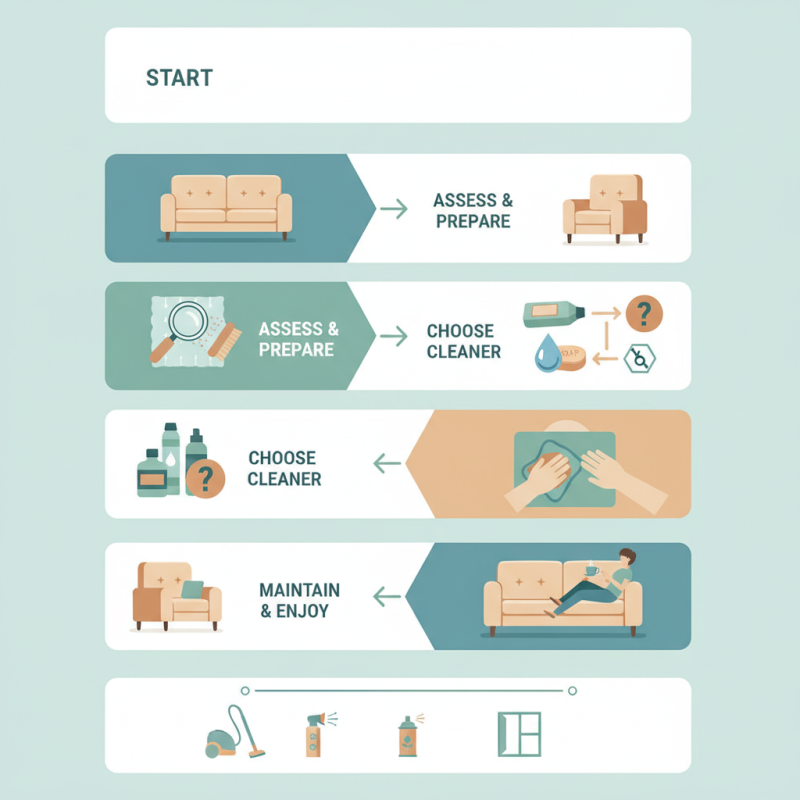
Upholstered furniture comes in various fabrics, each requiring specific care methods. Familiarizing yourself with these different materials can make a significant difference in your furniture's longevity. For instance, cotton is comfy and breathable but tends to stain easily. Regular vacuuming helps remove dust and debris. Spills should be blotted immediately to avoid deeper absorption.
Synthetic fabrics like polyester are more resistant to stains and easier to clean. They can often be wiped down with a damp cloth. However, they may not breathe as well as natural fabrics, leading to a less pleasant feel over time. Remember that while synthetic options are durable, they can lose their sheen and softness if not properly maintained.
Leather is luxurious but presents its own challenges. It requires specific cleaners and frequent conditioning to prevent cracking. Unlike fabric, leather can be wiped clean, but neglect may lead to costly repairs. Reflecting on your maintenance routine is key. A lack of regular care might leave your beloved pieces looking worn and tired. Identify your furniture's fabric type, then implement a tailored cleaning strategy for lasting beauty.
| Upholstery Fabric | Cleaning Method | Recommended Products | Care Tips |
|---|---|---|---|
| Cotton | Vacuum regularly; spot clean with mild detergent. | Mild soap, water. | Avoid excessive moisture; use fabric protector. |
| Polyester | Vacuum and clean with a damp cloth; machine washable (check label). | Mild detergent. | Test for colorfastness; avoid too much heat. |
| Leather | Wipe down with a damp cloth; use leather cleaner. | Leather conditioner. | Keep away from direct sunlight; condition regularly. |
| Velvet | Vacuum gently; spot clean with water-based cleaner. | Water-based fabric cleaner. | Brush to restore pile; avoid saturation. |
| Microfiber | Vacuum; clean with damp cloth or microfiber cleaning solution. | Microfiber cleaner. | Use coasters to avoid stains; keep out of direct sunlight. |
: A vacuum cleaner with upholstery attachments is essential. A soft brush and microfiber cloth are also helpful.
Regular care prevents the build-up of allergens and dirt. It helps extend the life of your furniture significantly.
Always test on a small, hidden area first. This helps avoid unwanted discoloration and damage to the fabric.
A mix of equal parts white vinegar and water serves as a gentle cleaner for most fabrics.
Combine baking soda and water to create a paste, apply it, let it sit, then wipe clean.
No, delicate fabrics like velvet may react poorly to water. Research your fabric type before cleaning.
If stains persist, consider seeking professional help for delicate or tough upholstery issues.
A soft brush aids in stain removal without damaging the fabric, maintaining its look and feel.
Yes, each fabric type has unique needs. Ignoring care instructions can lead to damage over time.
Many skip testing products first, leading to discoloration or damage. Always be cautious and thorough.
Cleaning and caring for upholstered furniture is essential to maintain its appearance and extend its lifespan. To effectively understand how to clean and care for upholstered furniture, it's important to recognize the different types of upholstery fabrics and their specific care requirements. Utilizing essential tools and supplies, you can easily keep your furniture clean. A step-by-step guide can help you with vacuuming and spot cleaning, ensuring that you remove dirt and stains efficiently.
Additionally, safe homemade cleaning solutions tailored for various upholstery types can provide effective results without the use of harsh chemicals. Implementing preventive measures is crucial to maintain your upholstered furniture in good condition, helping you avoid damage and keep your furnishings looking their best for years to come. By following these guidelines, you can effectively care for your upholstered pieces and enjoy a cleaner, healthier living environment.

 Cropa Home