How to Choose the Perfect Color Scheme for Your Interiors?

Time:2026-04-08 Author:Aria
0%

Choosing the right color scheme for your interiors is essential for creating the perfect ambiance. A well-selected palette can transform a mundane space into a vibrant sanctuary. However, the process is not as straightforward as it seems. One must consider various factors, including personal preferences, room functionality, and overall decor style.

Understanding how to choose the right color scheme for interiors involves more than just picking favorite colors. There are nuances to balance. For instance, lighter shades can make small rooms feel larger, while darker tones can add coziness. It is crucial to reflect on how different colors affect mood. You may love bright colors, but they can overwhelm a tranquil space. This requires careful thought and testing.

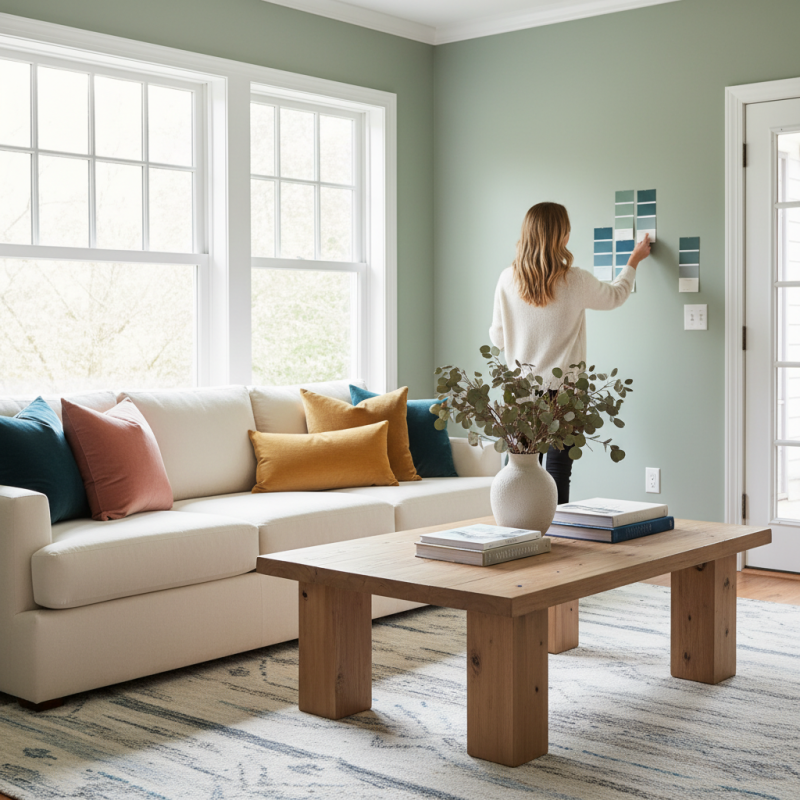
Remember that even the most experienced designers sometimes get it wrong. Experimenting with color samples on walls can lead to unexpected results. Lighting also plays a significant role in how colors appear. Don’t be disheartened if your first choice isn’t perfect; it's part of the journey. The right scheme will emerge through thoughtful reflection and a willingness to adapt.
How to Choose the Perfect Color Scheme for Your Interiors?

Understanding the Psychology of Color in Interior Design

Color plays a crucial role in interior design. It influences mood and perception. Each color evokes different feelings. For example, blue can create calmness and tranquility. Red, on the other hand, can stimulate energy and excitement. Choosing the right color scheme involves understanding these psychological effects.

When designing a room, consider how colors work together. A bold palette can energize a space, while softer hues promote relaxation. Think about the activities that will take place there. Kitchens often benefit from warm colors that encourage appetite. Bedrooms, in contrast, often thrive with cooler shades that invite rest.

However, personal preferences complicate these choices. You may love a color that others find overwhelming. It’s also important to reflect on lighting, as it alters color perception. Test paint samples on your walls before committing. This helps avoid regrets later. Ultimately, creating a harmonious space requires careful consideration of both color and emotion.

Exploring Different Color Schemes: Monochromatic to Complementary

Choosing a color scheme for your interiors can be daunting. Different schemes evoke different feelings. Monochromatic schemes use varying shades of a single color. This approach creates a serene atmosphere. Imagine a light blue room, where deep navy accents bring depth. This subtlety adds sophistication but can also feel bland if used without contrast.

Complementary color schemes bring energy to a space. They use opposite colors on the color wheel. Think of a warm orange paired with a cool blue. This combo creates vibrant contrast. It energizes a room but requires balance. Too much contrast can overwhelm your senses. Experiment with smaller accents to see what feels harmonious.

Finding the right balance is key. It’s about trial and error. Don't shy away from mixing different schemes. Perhaps combine a monochromatic background with complementary accessories. This can result in dynamic spaces while maintaining calm. Stepping back to evaluate your choices is crucial. Trust your instincts, but also be open to revisions.

Assessing Your Space: Lighting, Size, and Room Function

When choosing colors for your interiors, consider your space carefully. Assess the lighting first. Natural light changes throughout the day. A south-facing room may look warm and inviting with soft colors. In contrast, a north-facing room can feel cooler. Choose shades that enhance or soften the light in your space. If your room has limited windows, light colors can make it feel more open and airy.

Next, think about the size of your room. Large spaces can handle bold colors and dark shades. They create drama and warmth. Smaller rooms, on the other hand, benefit from lighter tones. They make the space feel larger and less cramped. Don’t forget to factor in the room's function. A bedroom might suit calming blues, while a vibrant orange could energize a home office. Balancing color with purpose is key.

Finally, consider the imperfect nuances of your space. Unusual architectural features may influence your color choices. They might create challenges or opportunities. A rickety old beam could be a focal point when painted a contrasting color. Reflect on how you interact with your daily environment. This can help inform your color scheme, making it uniquely yours.

Choosing Colors Based on Style: Modern, Traditional, and Eclectic

Choosing the ideal color scheme involves understanding your interior design style. Modern spaces often showcase bold and neutral colors. A report from the American Institute of Architects indicates that 73% of modern homeowners favor gray and white palettes. These hues create an airy feel and can easily be paired with vibrant accent colors.

Traditional interiors usually embrace rich tones. Warm colors, like deep reds or golden yellows, are common. According to the National Association of Home Builders, a significant 62% of traditional style advocates prefer classic color combinations. Selecting colors that evoke comfort and nostalgia is key. However, it’s essential to ensure these colors don’t overwhelm the space.

Eclectic styles offer freedom, mixing various hues and patterns. A study by the Color Marketing Group shows that 55% of eclectic homeowners enjoy combining unexpected shades. This approach invites creativity but can lead to chaotic visuals if not balanced carefully. Thoughtful integration of colors is crucial. Even with a mix, maintaining cohesion through a unifying shade can enhance the overall feel.

Tips for Creating a Cohesive Color Palette Throughout Your Home

Creating a cohesive color palette is essential for achieving harmony in your home interiors. A well-selected color scheme can elevate a space, making it feel inviting and balanced. According to a report by the American Society of Interior Designers, nearly 80% of individuals report a significant increase in satisfaction after redecorating. This statistic underscores the importance of thoughtful color choices.

Start with a foundational color. This will anchor the other colors in your design. Consider natural light in each room. A bright space may handle bolder colors better than a dim room. Use a color wheel for inspiration, exploring analogous colors for subtle harmony or complementary colors for a more dynamic look.

Tips: When selecting your palette, test paint samples in each room. Observe how colors interact under different lighting throughout the day. Remember, colors can look different than expected. Balance bold hues with neutral shades to create visual interest without overwhelming the space.

Lastly, do not rush the process. Choosing a color scheme can be quite personal. Your choices may evolve as you live with them, so be open to experimentation. Embrace imperfections along the way and refine your palette as needed. This flexibility can lead to a truly personalized and cohesive home environment.

Color Scheme Preferences Among Homeowners

This chart illustrates the preferred color schemes among homeowners when decorating their interiors, highlighting the popularity of various color palettes.

FAQS

: How does color impact mood in interior design?

: Color influences emotions and perceptions. For instance, blue promotes calmness, while red stimulates energy.

What should I consider when choosing colors for a room?

Think about how colors interact and the room's purpose. Kitchens often use warm colors; bedrooms benefit from cooler tones.

Can personal preferences affect color choices?

Yes, you may love a color others dislike. It's vital to balance personal tastes with overall harmony in the space.

How does lighting affect color perception?

Lighting can change how colors appear. Test samples on walls to ensure you like them at different times of day.

What is a good strategy for creating a cohesive color palette?

Start with a foundational color. Use a color wheel for inspiration and balance bold hues with neutrals.

Why is it important to test paint samples?

Colors can look different when applied. Testing helps you avoid committing to a shade that may disappoint later.

How can I incorporate eclectic styles without chaos?

Mix various hues carefully. Maintain a unifying shade to connect different colors and prevent visual overload.

Is it okay to change color choices over time?

Absolutely! Your tastes may evolve. Be open to refining your palette as your preferences develop.

What common mistake should I avoid when choosing colors?

Don’t rush the process. Take your time to explore different colors and how they interact in your space.

How can my space feel inviting and balanced?

Thoughtful color choices and cohesive palettes can significantly enhance a room’s overall atmosphere and satisfaction.

Conclusion

Choosing the right color scheme for interiors involves a deep understanding of color psychology, which influences both mood and perception. Begin by exploring various color schemes, ranging from monochromatic to complementary, to find the best fit for your space. It's essential to assess your room's lighting, size, and function, as these factors greatly impact how colors are perceived.

Additionally, aligning your color choices with your desired interior style—be it modern, traditional, or eclectic—can lead to a cohesive look throughout your home. Creating a harmonious color palette not only enhances the aesthetic appeal but also reflects your personal taste. By following these guidelines on how to choose the right color scheme for interiors, you'll craft a space that is both visually stunning and inviting.

Aria

Aria

Aria is a dedicated marketing professional with a deep passion for innovative strategies and a keen understanding of our company's product offerings. With a wealth of experience in the industry, Aria excels at crafting engaging content that highlights the unique features and benefits of our......