Learning how to choose furniture for different environments is less about following a style and more about matching daily use to real conditions. A dining chair that feels comfortable in a showroom may wobble on an uneven kitchen floor. A pale sofa can look calm in a bright room, yet show every mark in a busy family home.
Start with the space itself. Measure doorways, walkways, and the area around open drawers before buying. Note sunlight, dampness, heating vents, and how many people use the room each day. These details affect material choice as much as appearance. Solid wood can suit a dry living room, while sealed finishes may be easier to maintain near a kitchen. Outdoor pieces need materials designed for weather, not simply cushions that look durable.
Think about the work furniture must do. A home office needs a stable desk, supportive seating, and enough light to reduce eye strain. A rental apartment may call for lightweight, adaptable pieces that can move without damage. In a hospitality setting, replaceable parts and simple cleaning can matter more than delicate detailing. Small things count.
Budget matters, but the lowest price is not always the lowest long-term cost. Check construction, warranty terms, cleaning instructions, and whether replacement parts are available. Then leave room to reconsider. A measurement can be wrong; a fabric sample can look different at home. Good choices come from testing assumptions, not pretending every room has one perfect answer.
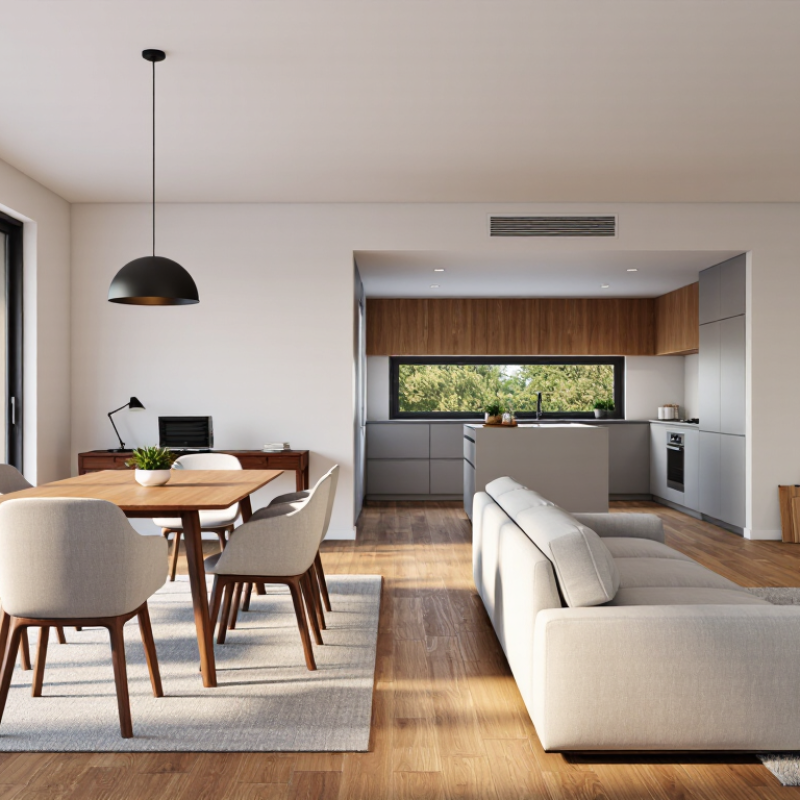
Before choosing furniture, define who uses the space, what they do, and how often the room changes. A home office needs a stable desk, task lighting, and storage within arm’s reach. A reception area needs clear paths, durable seating, and surfaces that are easy to clean. Measure doorways, turning space, and aisle widths before ordering. Measure twice. Guessing is costly.
The U.S. EPA reports that concentrations of some indoor pollutants are often two to five times higher indoors than outdoors. In shared rooms, consider low-emitting materials and finishes, especially where ventilation is limited.
For older-adult spaces, access matters as much as style: the 2023 U.S. Census American Community Survey reports that 17.7% of the U.S. population is age 65 or older. That figure is a reminder to assess seat height, arm support, and unobstructed routes rather than assume one layout suits everyone.
I still find it easy to underestimate how much a few inches affect daily movement. Check the room in use, not just on a floor plan.
EPA indoor air quality guidance; 2023 American Community Survey.
Choosing furniture in 2026 starts with the room, not the showroom. Measure wall lengths, doorway widths, and the path from the entrance to each seat. A sofa may fit on paper but block a cabinet when its doors swing open. Leave roughly 75 to 90 centimeters for main walkways where possible. In narrow rooms, mark furniture footprints with painter’s tape and walk around them for a day. It can feel fussy. It also catches awkward turns before delivery.
Tips: Measure twice, including skirting boards and radiator clearance. Note where sunlight falls at noon and late afternoon. Check damp corners, heating vents, and seasonal drafts before choosing wood, fabric, or metal finishes.
Traffic and daylight change how materials perform. A busy hallway needs sturdy surfaces and easy-clean upholstery; delicate pale fabric may show marks quickly. For a sunny window, watch for fading on sample swatches over several days. In humid rooms, allow airflow around furniture and avoid placing porous pieces against cold exterior walls. Dry rooms can make some timber joints loosen or shift, so stable humidity helps. Room conditions are rarely perfect, and my first layout would not always be my best one. Recheck measurements after moving lamps, rugs, or storage. A small adjustment can make a room feel calmer without buying anything new.
Furniture should match its workload, not just its room. In a sunny kitchen, sealed hardwood or well-finished metal handles spills better than porous, unfinished surfaces. For humid rooms, inspect joints and finishes carefully; solid wood can expand or contract as moisture changes. The USDA Forest Products Laboratory’s Wood Handbook explains this movement, which can loosen joints or affect doors over time. Small detail. Wipeable surfaces help, but harsh cleaners may dull some finishes, so check care instructions before buying.
For office seating, ask how durability was tested, not only what the frame is made of. The ANSI/BIFMA X5.1 standard includes a 100,000-cycle seat durability test, a useful benchmark for chairs facing daily use. It does not guarantee a chair will last that long in every setting. For upholstery, tightly woven, solution-dyed fabrics often tolerate frequent cleaning better than delicate textures; test a hidden spot before using stain remover. I would not choose leather simply because it seems easy to maintain: heat, sunlight, and neglected conditioning can leave visible wear. That trade-off is easy to miss. In a child’s room, removable covers and replaceable hardware may matter more than a premium finish. Compare maintenance needs with the messes the room actually sees.
| Environment | Recommended Material | Durability | Maintenance | Best For | Considerations |
|---|---|---|---|---|---|
| Busy family living room | Performance upholstery over a hardwood or engineered-wood frame | High | Vacuum regularly; blot spills promptly; follow the fabric’s cleaning instructions. | Sofas, armchairs, and frequently used seating | Look for removable, washable covers when practical. “Performance” describes a range of fabrics, so check the specific cleaning code and abrasion information. |
| Dining area with frequent spills | Solid wood with a durable clear finish, or a well-sealed, nonporous tabletop | High | Wipe spills with a soft, lightly damp cloth and dry the surface; use trivets for hot dishes. | Dining tables and everyday-use surfaces | Wood can be scratched or marked by heat and standing liquid. Seams and edges on composite surfaces need protection from moisture. |
| Kitchen or breakfast nook | Powder-coated metal, solid-surface materials, or sealed wood | High | Clean with a soft cloth and mild soap; dry metal components to reduce the risk of corrosion. | Stools, compact tables, and wipe-clean seating | Check that coatings are intact and avoid abrasive cleaners that can dull finishes. Keep wood away from repeated splashes. |
| Home office used every day | Steel or aluminum frame with a durable laminate or finished-wood work surface | High | Dust routinely; clean the work surface with a soft cloth; tighten fasteners periodically. | Desks, shelving, and task chairs | Laminate resists routine wear but can be damaged by impact or prolonged moisture. Choose a chair upholstery that suits the expected use. |
| Covered outdoor patio | Powder-coated aluminum, naturally weather-resistant hardwood, or outdoor-rated synthetic resin | Medium to high | Remove dirt with mild soap and water; dry cushions thoroughly; store or cover furniture during severe weather. | Patio chairs, tables, and loungers under a roof or awning | Outdoor performance depends on exposure and care. UV, humidity, and temperature changes can fade finishes or shorten cushion life. |
| Uncovered outdoor space | Outdoor-rated aluminum or synthetic resin; use fabrics specifically rated for outdoor exposure | Medium to high | Rinse or wipe away dirt; allow cushions to dry fully; inspect joints and finishes seasonally. | Garden furniture exposed to sun and rain | No material is maintenance-free outdoors. Use protective covers or indoor storage during prolonged wet, icy, or extreme-weather conditions. |
| Small apartment or rental | Finished plywood, steel, or quality laminate with sturdy mechanical joints | Medium to high | Use gentle cleaners; avoid overloading shelves; check and tighten assembly hardware as needed. | Flat-pack shelving, compact desks, and modular furniture | Inspect edge banding, panel thickness, and joint construction. Repeated assembly and moving can loosen fasteners or damage edges. |
| Guest room with occasional use | Solid wood or engineered wood with a durable veneer or painted finish | Medium to high | Dust regularly and wipe with a soft, slightly damp cloth; avoid standing water on surfaces. | Bed frames, bedside tables, and wardrobes | Veneer can provide a real-wood surface but may be harder to repair if deeply chipped. Protect furniture during moves. |
| High-humidity room | Aluminum, stainless steel, or properly sealed materials designed for humid conditions | Medium to high | Keep surfaces dry and ventilate the room; wipe condensation promptly and check hardware for corrosion. | Bathroom-adjacent storage and furniture in well-ventilated spaces | Unsealed wood and many wood-based panels can swell or warp with repeated moisture exposure. Confirm the material’s suitability for the room. |
| Homes with pets | Tightly woven upholstery, washable covers, and smooth, sealed table surfaces | Medium to high | Vacuum hair often; clean stains promptly according to the manufacturer’s care instructions. | Sofas, dining chairs, and frequently touched surfaces | Fabric performance varies: tight weaves may snag less than loose weaves, but no upholstery is completely scratch- or stain-proof. |
Furniture should fit the room before it fits your mood. In a small apartment, measure the walls, doorway, and walking path before choosing a sofa. Use painter’s tape to mark its footprint; a chair that blocks a kitchen drawer becomes annoying quickly. Leave room around dining chairs so people can pull them back without twisting. In a narrow space, open sides and raised legs can help preserve a sense of openness. Matching furniture may look tidy, but mixed wood tones can feel warmer. Check samples in daylight, since colors shift near a north-facing window. Comfort matters, too.
In a home office, choose a desk that leaves space for your legs and daily tools. Adjust the chair so your feet rest flat and your elbows sit comfortably near desk height.
For shared work areas, favor sturdy surfaces and easy-to-clean upholstery. Dining chairs should support relaxed meals, not just look elegant for a photograph. On a covered patio, check fabric care and frame materials against local weather; a cushion that stays damp may be unpleasant.
A room can look balanced on paper and still feel awkward in use. I would recheck the layout after a few ordinary days, because habits often reveal what measurements miss.
Furniture that works in a quiet study may fail in a busy café or family room. Start with the people, movement, and risks in each setting. For a child’s room, check tip resistance, rounded edges, stable drawers, and clear walking paths. In shared spaces, look for sturdy joints, cleanable surfaces, and finishes suited to frequent contact. Small details matter.
Safety is not a label alone. Ask how an item is assembled, what maintenance it needs, and whether replacement parts are available. Check product documentation rather than relying on a sales claim. Still, no checklist can predict every spill, bump, or change in use. Rooms change.
Sustainability deserves similar scrutiny. Prefer durable materials, repairable construction, and dimensions that can adapt when a room’s purpose shifts. Consider the full service life, not only recycled content or a low purchase price. A cheap chair that loosens in a year may cost more in time and replacement. Long-term value includes comfort, upkeep, and how easily a piece can be repaired or reused. It is easy to overvalue a neat material claim and overlook everyday care.
Formaldehyde emission limits for regulated composite wood products under the U.S. EPA TSCA Title VI standard
Lower limits indicate stricter allowable formaldehyde emissions, making this a useful safety screening point for indoor furniture. These are regulatory limits, not measurements of every product; they do not measure durability or overall sustainability. Check product compliance and consider repairability and expected service life when comparing long-term value.
Source: U.S. Environmental Protection Agency, TSCA Title VI formaldehyde emission standards. Values are maximum limits in parts per million (ppm).
Think about who uses the room, what they do, and how often the layout changes. A home office may need a steady desk, task lighting, and nearby storage.
Measure walls, doorways, and routes between furniture. Measure twice. Mark the furniture’s footprint with painter’s tape, then walk around it for a day.
Aim for roughly 75 to 90 centimeters on main routes where possible. Check cabinet doors and drawers too; they need room to open.
Consider seat height, arm support, turning space, and clear routes. A few inches can change how easily someone moves through the room. I still underestimate that sometimes.
Strong sunlight may fade fabric, so leave sample swatches near the window for several days. In humid rooms, allow airflow around furniture and inspect wood joints.
Choose sturdy surfaces and easy-clean upholstery for hallways or shared rooms. Delicate pale fabric can show marks quickly. Small trade-offs matter.
Ask how the chair’s durability was tested, and consider how often it will be used. A test result is a benchmark, not a promise of lifespan.
Tightly woven fabrics and removable covers can help with frequent cleaning. Check care instructions first, and test cleaners on a hidden spot. I would not assume every wipeable finish handles harsh products.
Choosing furniture in 2026 starts with understanding how a space will be used, who will use it, and what activities it needs to support. Before selecting pieces, measure the room and consider doorways, walkways, natural light, temperature, humidity, and everyday traffic. These details help determine appropriate dimensions and placement while preventing furniture from obstructing movement or feeling out of place.
To decide how to choose furniture for different environments, compare materials for durability, cleaning needs, and resistance to wear. Then balance size, style, and comfort with the setting, whether it is a busy shared area, a quiet room, or a compact workspace. Finally, consider safety, responsible material choices, repairability, and expected lifespan. Furniture that suits both the practical demands and atmosphere of its environment can remain useful and comfortable over time.

Cropa Home