Choosing the right colors for modern homes can transform space and mood. Experts highlight this importance. Renowned interior designer, Sarah Thompson, once stated, “The best color combinations can create harmony and balance in any home.” This insight reflects the complex relationship between color and atmosphere, prompting the question: what is the best color combination for modern homes?
Color can evoke emotions and influence perceptions. Neutral tones paired with bold accents are a popular choice. Yet, finding the right mix can be challenging. One must consider the natural light, room size, and personal style. For instance, a small room can feel larger with lighter colors. Meanwhile, dark hues can add depth but may overwhelm if used excessively.
It's essential to experiment and reflect on your choices. Trends shift, and what suits one space may not work in another. Balancing comfort with innovation is key. Ultimately, understanding what resonates with you personally can guide the decision-making process. Color choices are deeply personal, and the best combination will vary from one homeowner to another.
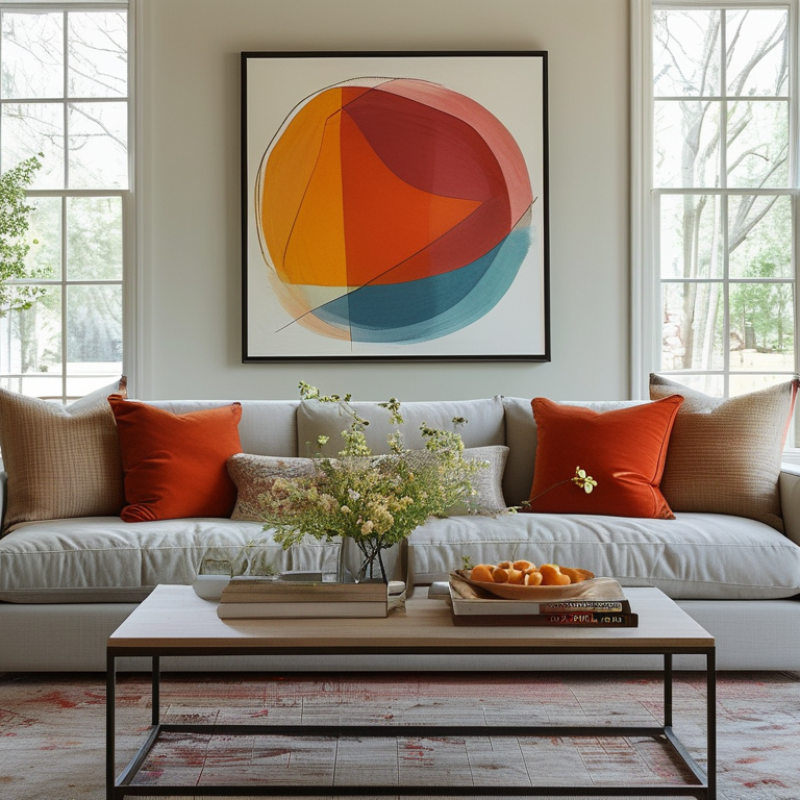
Understanding Color Theory and Its Importance in Modern Home Design
Color theory plays a crucial role in modern home design. It helps designers create harmonious spaces that evoke specific emotions.
Understanding color relationships and their psychological impact can transform a room. For instance, warm colors like red and yellow can energize a space, while cool colors such as blue and green create calmness.
When selecting color combinations, consider the principles of color theory.
Complementary colors, those opposite each other on the color wheel, can create vibrant contrasts.
Analogous colors, which sit next to each other, offer a more serene palette. Experimenting with these combinations can lead to unexpected results.
It often requires intuition and a willingness to reflect on what resonates with your personal style.
Remember, color perception can be subjective. What works for one person may not work for another.
Test your chosen colors in different lights before making a final decision.
Allow yourself the space to explore and adjust, recognizing that the perfect palette may evolve with time and experience.
Identifying Your Home’s Architectural Style for Color Selection
Identifying your home’s architectural style is crucial for selecting the best color combinations. Different styles have unique characteristics that dictate color choices. For instance, a modern home often features clean lines and minimalist design. Neutral tones like whites, grays, and beiges can enhance these features, providing a sophisticated backdrop. However, too much neutrality can make a space feel cold or uninviting.
On the other hand, traditional homes may call for deeper, richer colors. Shades like navy blue or forest green can add warmth and elegance to classic architecture. Yet, it's easy to overdo it. There’s a fine line between enhancing beauty and overwhelming it. Consider light fixtures and landscaping when evaluating color choices. These elements should complement your color palette to create a harmonious look.
Ultimately, it's about balance. Personal preferences play a significant role, but they should align with the home's style. Take time to test colors in different lights. This allows a more comprehensive view of how colors will come together. Trust your instincts, but don’t be afraid to seek outside opinions. Sometimes, collaboration leads to the best results.
Exploring Color Psychology and Its Impact on Mood and Atmosphere
Color psychology plays a significant role in shaping our homes. The colors we choose affect our emotions and overall ambiance. For example, blue often instills calmness, making it suitable for bedrooms. It encourages relaxation and promotes restful sleep. Meanwhile, bright colors like yellow can evoke happiness and energy. They are perfect for lively spaces, such as kitchens or playrooms.
However, choosing colors isn't always straightforward. Some people find that certain colors can feel overwhelming in larger spaces. Dark hues might create a cozy atmosphere, but they can also make a room feel smaller. Balancing color palettes can be challenging. You may need to experiment with shades to find what resonates best with your feelings.
Using a mix of neutrals with bold colors can also enhance a room's mood. Neutrals provide a soft backdrop, allowing bold colors to pop without being too intense. It's important to trial different combinations. Sometimes, what seems pleasing in theory can feel discordant in practice. The right color combination can transform a house into a welcoming home, but it requires thought and adjustment.
Choosing Complementary and Contrasting Colors for Interior Spaces
Choosing the right color combinations for your interior spaces can be challenging.
Complementary colors are a great starting point for creating a harmonious look.
These colors sit opposite each other on the color wheel. For example, blue and orange can create a vibrant contrast that adds life to a room.
Use these colors in moderation to avoid overwhelming the space.
Contrasting colors can also enhance the visual interest of an interior. For instance, pairing a rich navy with a soft cream can create depth.
This combination works well in larger rooms, where you want to delineate areas or highlight features.
Incorporating textures can further enhance this effect. Use patterns or fabrics in the same color family to unify the look.
However, selecting colors should not be a rushed process.
Test paint samples in different lighting conditions before committing.
Sometimes what looks good on a swatch may not translate well to the wall.
Reflect on how these colors will affect the mood of your space.
Consider how you want to feel in each room.
Color choice greatly influences our emotions and daily experiences.
It’s more than aesthetics—it’s about creating a home that resonates with you.
Incorporating Trends and Personal Preferences in Color Combinations
Choosing color combinations for modern homes can be an exciting yet daunting task. Trends evolve quickly, and personal preferences play a significant role. Incorporating current color trends adds a fresh touch. Earthy tones, such as greens and browns, are gaining popularity. They create a calming atmosphere that many find appealing. At the same time, bold colors can express individuality and make a statement.
Personal preferences should also guide your choices. Think about the mood you want to create in each space. Soft blues and grays can offer tranquility, while vibrant yellows or reds can energize a room. Consider how natural light interacts with colors throughout the day. It might highlight imperfections in your choices. Experimenting with swatches on walls can illuminate unexpected results, leading to moments of discovery.
Reflect on how colors make you feel. What memories do they evoke? Are there colors you loved in childhood that still resonate with you? Finding a blend of trendy and personal can be complex, but it often leads to a space that feels uniquely yours. Balancing trends and emotions can teach us about our evolving tastes. Each choice becomes a step in crafting a home that truly reflects who you are.
How to Choose the Best Color Combinations for Modern Homes? - Incorporating Trends and Personal Preferences in Color Combinations
| Color Combination |
Trendy Use |
Ideal Room |
Personal Preference Level |
| Navy Blue & Gold |
Luxury look, popular in 2023 |
Living Room |
High |
| Soft Grey & Blush Pink |
Cozy and inviting, trending in bedrooms |
Bedroom |
Medium |
| Emerald Green & White |
Fresh and clean, popular for kitchens |
Kitchen |
High |
| Charcoal & Mustard Yellow |
Bold contrast, gaining popularity |
Dining Area |
Low |
| Pastel Blue & Soft Beige |
Calming atmosphere, trendy for nurseries |
Nursery |
High |
Conclusion
Choosing the best color combinations for modern homes involves a deep understanding of color theory and its significance in home design. It is essential to identify your home's architectural style, as this can significantly influence your color choices. Color psychology also plays a crucial role; different hues can evoke various moods and atmospheres within a space. By selecting complementary and contrasting colors, homeowners can create a harmonious yet dynamic environment.
Moreover, incorporating current trends alongside personal preferences can elevate the overall aesthetic. Ultimately, when considering what is the best color combination for modern homes, one should blend these elements thoughtfully to achieve a cohesive design that reflects both personal style and the home’s character.

 Cropa Home