China Top 10 Furniture Makers How to Customize Furniture Design

Time:2026-11-14 Author:Mason
0%

China’s furniture industry offers far more than ready-made tables and cabinets. The China National Furniture Association reported that furniture manufacturers above designated size recorded approximately RMB 655.7 billion in operating revenue in 2023, down 4.4% from the previous year. This scale gives buyers many choices, but it also makes supplier comparisons harder. A polished showroom is not proof of reliable production.

This guide introduces ten Chinese furniture makers and explains how to assess them for a custom project. The best fit depends on more than price. Check whether a maker can turn a sketch into clear shop drawings, provide material samples, confirm dimensions, and explain finishes, packaging, and lead times. Ask for photos of comparable projects. If possible, inspect a prototype before approving a larger order. Small details matter.

If you are asking “what is the best way to customize furniture design,” begin with the room, not the catalogue. Measure doorways, wall clearances, and the space around each piece. Then write down practical needs: storage depth, preferred wood tone, edge shape, hardware, and cleaning requirements. Share those details with shortlisted makers and request itemized quotes. Compare the same specifications, not just the totals. A low quote can hide compromises; a detailed quote can still miss something. That is worth checking twice. The rankings here are a starting point, not a guarantee: confirm current capabilities, samples, and terms directly with each manufacturer before committing.
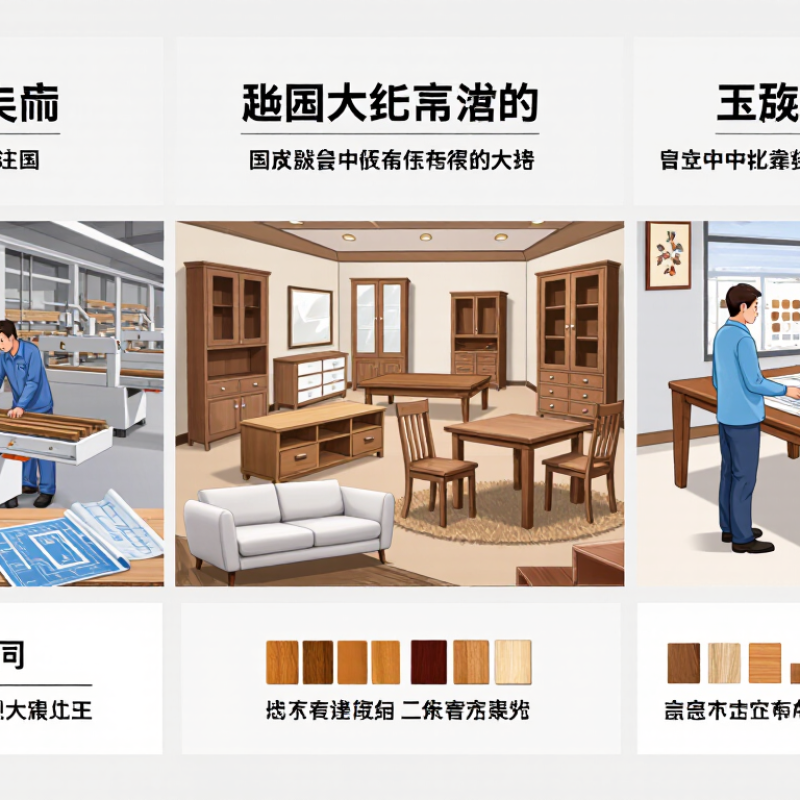
China Top 10 Furniture Makers How to Customize Furniture Design

How to Evaluate China’s Top 10 Furniture Makers

When comparing China’s top 10 furniture makers, treat rankings as a shortlist, not a verdict. A polished website cannot show how a drawer feels after repeated use. Request a current sample, a workshop video, and close photos of joints, edges, and hardware. Ask about timber species, board grade, finish, and replacement options. Specific answers matter. Check that drawings include dimensions, tolerances, fabric codes, and finish samples before production. Also ask who inspects each stage and how defects are handled.

Tips: Send one annotated drawing to every maker. Compare their responses, not just their prices. Ask for a sample with the same finish and hardware as your planned order. Keep written approval records. Photos are not proof.

Compare written quotations line by line, including packaging, delivery terms, sampling costs, and lead times. A low quote may leave important details unclear. Check references for similar custom projects, and confirm that the contact person can explain changes and quality checks. A showroom visit can help, but it may show only the best corner of a factory. Allow time to verify details; I would not treat a confident sales call as evidence of reliable production.

How to Match a Manufacturer to Your Project

Matching a furniture manufacturer starts with the project’s actual demands, not a catalog photo. A hotel lobby may need durable upholstery, repeatable dimensions, and replacement parts. A small apartment may need a cabinet that clears a narrow stairwell. Write down room measurements, daily use, finish preferences, and target quantities. Details matter.

Ask how the maker handles custom drawings, material samples, and prototype approval. Request a sample of the wood or fabric under realistic lighting; colors can shift near a window. Confirm acceptable measurement tolerances, packaging, delivery dates, and who resolves defects. A written specification reduces guesswork. Ask for proof. Review examples of comparable projects, not just the most polished showroom pieces.

Budget should include design changes, shipping, installation, and possible sample costs. Check whether the manufacturer can source the required materials consistently, especially when several pieces must match. If the schedule is tight, ask for a production timeline with review points. Even careful comparisons can miss small details, like a drawer handle that catches on a nearby wall. That is worth checking before production begins.

How to Define Custom Furniture Design Requirements

Custom furniture requirements should begin with the room and the way people use it. Start with the room. Measure wall lengths, doorway widths, ceiling height, and any obstacles, such as radiators or floor outlets. Record the intended use, number of users, and items the furniture must hold. A dining table for daily family meals needs different proportions from one used occasionally in a small meeting room. A simple sketch with measurements can prevent costly misunderstandings.

Describe the design in practical terms. List preferred materials, colors, surface finishes, edge details, and hardware. Include target dimensions, a realistic budget, and the expected delivery date. For example, specify whether a cabinet needs adjustable shelves or space for a particular appliance. Note which details are essential and which can change if cost or construction limits arise. That matters. Vague requests like “warm wood” can mean different things to different people, so add a reference image or a sample when possible.

I have seen small details cause avoidable revisions. A chair may look right on paper but feel too low beside a specific table. Before production, confirm drawings, measurements, finish samples, and how the piece will enter the building. Ask how material variation and dimensional tolerances will be handled. Keep written records of approved changes. Some uncertainty remains, especially with natural materials, and it is worth discussing that early rather than assuming every surface will match perfectly.

Defining Custom Furniture Design Requirements

Typical planning ranges for selected furniture surface heights

These indicative ranges can help define an initial custom-design brief. Actual dimensions should be adjusted for user height, intended use, room layout, and local requirements.

How to Review Materials, Prototypes, and Production

Custom furniture decisions become clearer when material claims are checked against physical samples. Request the exact wood, finish, fabric, or hardware intended for the order. View samples in daylight and warm indoor light; color can shift noticeably. Feel the edges, inspect grain direction, and test a finish with a damp cloth if the maker permits it. Ask how the material may change with use. A sample is helpful, but it cannot show every variation in a larger piece.

Review the prototype for more than appearance. Sit on it, open each drawer, and check whether doors swing freely. Measure seat height, tabletop clearance, and the route through your doorway. Mark any changes directly on a drawing or photograph, then confirm revised dimensions in writing. Small details matter. A prototype can feel convincing while hiding an awkward reach or a sharp corner. I have seen attractive mock-ups miss everyday needs; allow time for another review rather than assuming the first version is right.

Before production begins, agree on the approved materials, finish, dimensions, and inspection points. Ask when substitutions require your written approval, and request progress photos at key stages, such as frame assembly and final finishing. Clarify how defects or transit damage will be documented and resolved. Keep one signed specification for both sides. Schedules can slip, and that is frustrating; build a little flexibility into delivery plans, especially when several custom pieces must fit together.

China Top 10 Furniture Makers: How to Customize Furniture Design — How to Review Materials, Prototypes, and Production

A practical 10-point framework for comparing furniture suppliers and reviewing a customized order. Use the agreed drawings, specifications, samples, and applicable regulations as the basis for acceptance.

No. Review Area What to Confirm Useful Evidence Acceptance Check
1 Design brief and intended use Record room dimensions, user needs, load expectations, style, target price, and destination market before requesting a quote. Dimensioned brief, reference images, installation notes, and a written list of required options. The supplier confirms assumptions and identifies any requirements that need further engineering or testing.
2 Dimensions and construction Specify overall dimensions, component thicknesses, edge details, joinery, hardware locations, and assembly method. Approved 2D drawings, 3D renderings, bill of materials, and revision-controlled specifications. Critical dimensions and permitted tolerances are written into the approved specification rather than left to interpretation.
3 Materials and sourcing Identify wood species or panel type, grade, veneer or laminate, upholstery composition, foam, metal, and finish system. Material samples, technical data sheets, supplier declarations, and certification documents where applicable. Samples and documents match the specified material; certification claims are checked against valid scope and chain-of-custody records.
4 Safety and regulatory requirements Confirm requirements for the destination market, product category, chemical emissions, stability, fire performance, and labeling. Applicable test reports from a competent laboratory, material declarations, and compliance labels where required. Reports cover the relevant product or material, test method, and market requirement; do not rely on a generic certificate alone.
5 Color, texture, and finish Agree on color references, sheen, grain direction, edge treatment, stitching, and acceptable natural variation. Signed material swatches or a retained golden sample, viewed under agreed lighting conditions. Production appearance is compared with the approved reference; define how batch variation will be handled.
6 Prototype review Review scale, proportions, comfort, clearances, assembly, stability, and access to moving parts before approving production. Physical prototype or agreed pre-production sample, marked drawings, and a dated change log. All changes are documented and approved; the final prototype is identified as the reference for production.
7 Performance and workmanship Set product-appropriate checks for load, stability, drawer or door operation, seams, joints, surface defects, and finish adhesion. Inspection checklist, test method, recorded results, and relevant product standards agreed for the item. Acceptance limits are defined before production; avoid applying one universal load or tolerance to every furniture type.
8 Production readiness Check that approved drawings, materials, tooling, work instructions, and quality checkpoints are available before the production run. Pre-production meeting record, approved sample, production schedule, and in-process inspection plan. No unapproved material or design substitution; changes require written approval and updated documentation.
9 Inspection and order control Agree on inspection timing, sampling approach, defect categories, rework process, quantity checks, and inspection access. Inspection records, defect photos, corrective-action reports, and a final quantity and model checklist. Resolve agreed critical and major defects before shipment; retain records linked to the order and product revision.
10 Packaging, shipment, and after-sales Confirm protection, carton markings, assembly instructions, spare parts, shipping configuration, warranty terms, and damage reporting process. Packaging sample, packing list, assembly guide, spare-parts list, and written warranty and claim procedure. Packaging is suitable for the selected shipping route, and responsibilities for transit damage and replacement parts are documented.

Note: Standards and legal requirements vary by product type and destination market. Verify the current requirements and test scope before placing an order.

How to Manage Quality Checks and Delivery

For custom furniture, quality checks should follow the approved drawing, not memory. Record dimensions, materials, finish, and hardware before production. Check a sample early: a drawer that binds by two millimeters can become a costly batch problem. ISO 2859-1 provides acceptance-sampling plans based on AQL, helping buyers set consistent inspection rules rather than relying on a few hand-picked pieces. The World Bank’s 2023 Logistics Performance Index scores supply-chain performance on a 1–5 scale across six areas, including tracking and timeliness. That is a useful reminder: factory quality and delivery visibility need to be managed together.

Small defects matter. Before packing, inspect joints, surface color under neutral light, and moving parts; photograph each unit beside its order label. Then test packaging, not just the furniture. ISTA 3A is designed to simulate parcel-distribution hazards for packaged products weighing up to 70 kilograms. It can reveal weak corners or loose cushioning before shipment. Share inspection records, carton dimensions, and dispatch dates with the buyer, and confirm who approves any repair. A checklist may still miss a finish that looks different in daylight. That gap deserves a second review, especially for large custom orders.

FAQS

How should I use a ranking of furniture makers?

Treat it as a shortlist, not a verdict. Request a current sample and close photos of joints, edges, and hardware. Photos are not proof.

What details should I include in a furniture specification?

Add room measurements, quantities, materials, finish, fabric codes, and hardware. Annotate one drawing and send it to every maker. Details matter.

How can I check a maker’s material claims?

Request the exact wood, fabric, finish, or hardware planned for your order. View samples in daylight and warm indoor light. Colors can shift.

What should I test on a prototype?

Sit on it, open each drawer, and check that doors swing freely. Measure seat height and tabletop clearance. I might still miss something.

How can I compare quotations fairly?

Compare packaging, delivery terms, sampling costs, and lead times line by line. A low price may leave key details unclear.

What should I ask about quality checks?

Ask who inspects each stage and when progress photos are available. Agree on defect and transit-damage procedures in writing. Keep one signed specification.

How can I reduce the risk of delivery problems?

Measure the doorway and route, not just the room. Confirm delivery dates, packaging, and installation costs. Build in some flexibility.

Are showroom visits enough to evaluate a factory?

No. A showroom may show only its best corner. Check similar project references and ask how changes are handled. Recheck the details.

Conclusion

Choosing among China’s top furniture makers requires more than comparing prices. Buyers should assess each manufacturer’s experience, production capacity, communication, and ability to meet the project’s style, budget, and schedule. The right partner is one whose expertise and working process fit the furniture’s intended use and level of customization.

To define what is the best way to customize furniture design, start with clear requirements for dimensions, function, appearance, materials, finishes, and expected quantities. Review material samples and prototypes before approving production, and confirm specifications in writing. During manufacturing, use agreed quality checks to verify workmanship and consistency. Plan delivery details in advance, including packaging, timelines, and inspection on arrival. A structured process helps turn design ideas into practical furniture while reducing misunderstandings and keeping quality, cost, and delivery expectations aligned.

Mason

Mason

Mason is a seasoned marketing professional with a deep expertise in the company's offerings and a passion for driving brand awareness. With a strong background in digital marketing strategies, he has an innate ability to connect with diverse audiences and effectively communicate product benefits.......