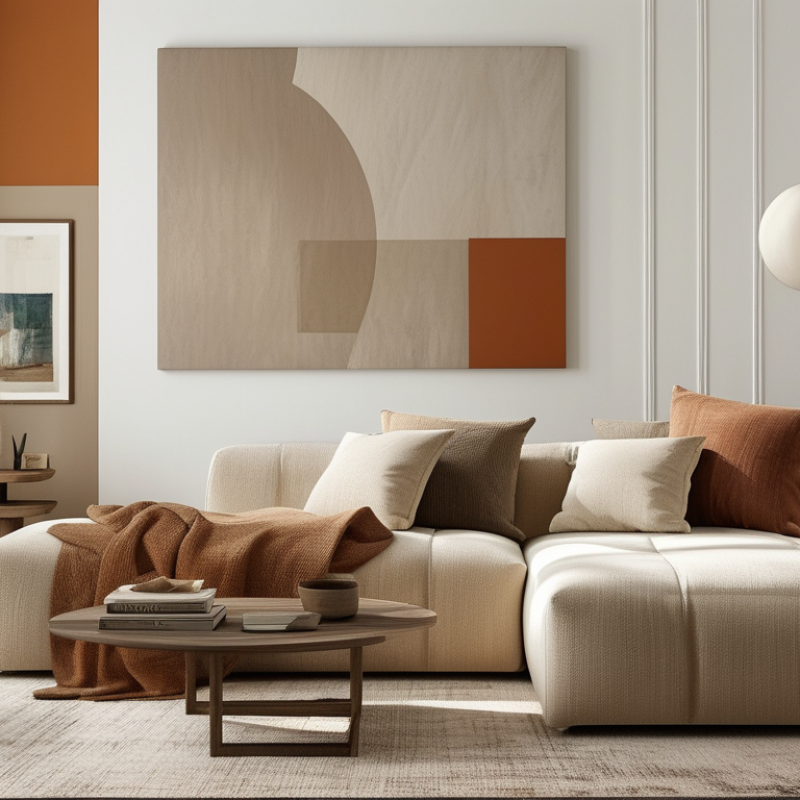
Choosing the right wall colors can elevate your space. It’s crucial to know how to match wall colors with furniture. The harmony between walls and furnishings sets the mood of any room. Neutral shades often work well with bold furniture choices. They create balance and allow your furniture to shine.
However, this isn’t always easy. Some colors clash, creating a jarring effect. For example, a stark white wall may overwhelm rich, dark pieces. Conversely, muted walls can complement vibrant furniture without stealing the spotlight. It's about finding that sweet spot.
Consider lighting too. Natural light changes the look of colors throughout the day. A color that looks great in the store might seem different at home. Experimenting is essential. Don’t hesitate to test paint samples against your furniture. Reflect on your choices and be open to adjustments.
Choosing the Right Wall Color Based on Room Purpose
Choosing the right wall color can greatly influence the ambiance of a room. Consider the purpose of the space when selecting hues. For a calming bedroom, soft blues or greens are ideal. These colors create a tranquil environment, perfect for rest. Darker shades can create a cozy feel but may overwhelm smaller rooms.
In contrast, a vibrant living area can benefit from warm colors like coral or mustard. These tones encourage social interaction and energy. However, it’s essential to balance these bold choices with neutral furniture to avoid chaos. The challenge lies in harmonizing these elements while achieving a cohesive look. Combining textures and patterns can enrich the overall aesthetic.
Reflect on your choices as you experiment. Sometimes, an unexpected color can transform a room beautifully. If a color feels off after a few days, that’s okay. Adjustments are part of the design journey. Finding the right shade is about trial and error. Explore various combinations until you discover what feels perfectly suited for the space.
Understanding Color Theory and Color Wheel Basics
Color theory is essential for creating a harmonious living space. Understanding the color wheel helps in making informed choices when matching wall colors with furniture. The primary colors—red, blue, and yellow—serve as the foundation. Mixing these colors yields secondary colors like green, orange, and purple. Tertiary colors further enrich the palette. In interior design, using complementary colors can create vibrant contrasts. For instance, pairing a blue wall with orange furniture creates a striking balance.
Tip 1: Consider undertones. Cool and warm undertones can significantly impact the overall vibe of a room. A warm beige wall pairs beautifully with olive green furniture. This combination adds warmth without overwhelming the space. Remember, lighting also influences how colors appear. Daylight may show colors differently than incandescent bulbs.
Tip 2: Experiment with textures. Matte and glossy finishes interact with color differently. A matte wall can absorb light, making colors appear softer. In contrast, a glossy finish reflects light, intensifying color vibrancy. A recent survey revealed that 80% of homeowners adopting texture play found their interiors more inviting. Lastly, trust your instincts. If a combination feels off, it’s worth reevaluating. Don’t hesitate to make changes until the space feels right.
Coordinating Furniture Style with Wall Color
Choosing the right wall color to match your furniture style is crucial for a cohesive interior space. Light colors can enhance the elegance of traditional pieces. They soften the aesthetic and create a timeless atmosphere. On the other hand, bold colors can accentuate modern furniture. A deep navy wall can bring out the sleek lines of minimalist designs.
Consider the mood you want to create. Bright colors often energize a room. They work well with playful furniture styles. Yet, darker shades can add sophistication and depth.
Think about how each color interacts with natural light. It changes throughout the day. Sometimes, what looks good in the store won’t translate well to your home. Test your choices with samples before committing.
Remember to analyze patterns and textures. A patterned sofa might clash with a busy wall. Instead, opt for a neutral backdrop. This allows your furniture to stand out. A balance is essential. You might find that your favorite color overwhelms your space. In that case, downsize the intensity or change the hue altogether. Each decision in color selection shapes your environment significantly.
Testing Colors with Samples Before Making a Decision
Choosing the right wall color to complement your furniture can be daunting. It’s crucial to test colors with samples before making a decision. This ensures you see how different shades interact with your furniture over time, especially under varying light conditions.
To start, gather paint samples that catch your eye. Apply these samples directly onto the wall next to your furniture. Observe the colors at different times throughout the day. Colors can change dramatically based on natural light or artificial lighting. By doing this, you'll gain a clearer sense of how well the wall color harmonizes with your existing pieces.
Consider creating a color board. Include paint chips, fabric swatches, and any other materials you plan to use. This visual aid helps bridge the gap between the colors you love and the actual furniture in your home. Remember, the perfect match might not be what you initially assume. Sometimes, a contrasting color can create an unexpected, yet delightful outcome. Testing combinations with samples before a final choice is a small step that can lead to a more cohesive and inviting space.
Utilizing Accessories to Enhance Color Harmony in the Room
When it comes to enhancing color harmony in a room, accessories play a vital role. They can tie together different elements in your space. Colorful cushions, vibrant rugs, or eye-catching art pieces can elevate the overall aesthetic. Choose accessories that share shades with your wall and furniture. This strategy creates a cohesive look that is both stylish and inviting.
Tip: Select a dominant color from your wall or furniture. Use this shade as a foundation to pick your accessories. For example, if your walls are a soft blue, consider throwing in some navy or teal cushions. This layering technique adds depth to your space.
Remember to reflect on your choices. Not every accessory will match perfectly. A bold print might clash with a subtle wall color. Take your time to arrange and rearrange items. Feel free to experiment. The journey of finding the right balance often leads to the most personal and satisfying results. Embrace the process and let your space tell a story.
10 Best Tips to Match Wall Colors with Furniture
| Tip No. |
Tip |
Description |
| 1 |
Choose a Neutral Base |
Start with neutral wall colors to allow flexibility in furniture selections. |
| 2 |
Use a Color Wheel |
Utilize a color wheel to select complementary colors for walls and furniture. |
| 3 |
Test Samples |
Always test paint samples alongside your furniture to check compatibility. |
| 4 |
Consider Room Size |
Use lighter colors for small rooms and darker for large spaces to balance proportions. |
| 5 |
Incorporate Textures |
Mix textures in furniture to add depth and interest against wall colors. |
| 6 |
Match Undertones |
Ensure the undertones of the wall paint match those of the furniture materials. |
| 7 |
Define a Focal Point |
Use a bold wall color to create a focal point and coordinate surrounding furniture. |
| 8 |
Balance Warm and Cool Tones |
Create harmony by balancing warm and cool tones throughout the room. |
| 9 |
Use Accessories Wisely |
Incorporate decorative elements that tie together wall colors and furniture tones. |
| 10 |
Stay True to Your Style |
Ultimately, choose colors and designs that reflect your personal taste and lifestyle. |
FAQS
: Color theory helps create harmony in living spaces. It guides choices in matching wall colors and furniture effectively.
Primary colors are red, blue, and yellow. Mixing them creates secondary colors like green, orange, and purple.
Cool and warm undertones change the vibe. Warm beige walls work well with olive green furniture for a cozy feeling.
Lighting can alter how colors appear. Daylight shows colors differently than incandescent bulbs, so consider this when choosing.
Different textures interact with color uniquely. Matte finishes soften colors, while glossy finishes intensify their vibrancy.
Light wall colors enhance traditional pieces, while bold colors highlight modern furniture designs. Choose based on desired elegance.
Bright colors energize a room. They suit playful furniture styles, while darker shades add sophistication and depth.
Colors may look different in store light versus home. Testing samples ensures they match your space's natural lighting.
Patterns can clash with busy walls. A neutral backdrop can allow furniture to stand out without overwhelming the space.
If a color feels overpowering, consider reducing its intensity or changing the hue to create a more balanced environment.
Conclusion
When considering how to match wall colors with furniture, it's essential to start by choosing the right wall color based on the purpose of the room. Different spaces evoke different moods, so the color palette should align with the intended use, whether it be calming for a bedroom or vibrant for a playroom. Understanding color theory and the basics of the color wheel can also guide your choices, helping you to create cohesive or contrasting palettes that enhance the overall aesthetic.
Additionally, it’s important to coordinate the style of your furniture with the chosen wall color. This means taking into account the texture, material, and design of your furniture pieces. Before finalizing your decision, testing wall colors with samples can prevent any regrets later on. Lastly, utilizing accessories such as cushions, artwork, and decorative items can further enhance color harmony in the room, bridging the gap between the walls and furniture for a well-designed space.

 Cropa Home