When choosing cabinets, a key question arises: what is the best material for cabinets? Experts provide valuable insights into this topic. According to John Smith, a well-respected cabinet designer, “The right material can enhance both durability and aesthetics.” This statement highlights the importance of materials in cabinetry.
Selecting the best material isn’t straightforward. Many factors come into play, such as cost, appearance, and maintenance. For instance, solid wood offers timeless beauty but comes with a higher price tag. On the other hand, MDF is a cost-effective option that still delivers a polished look, although it may lack the strength of hardwood.
Cabinet materials range from plywood to metal. Each has its own set of advantages and drawbacks. Understanding these options requires careful consideration. A homeowner might prefer a more affordable material but later regret compromising on quality. Ultimately, it’s about finding the right balance between style and practicality. The choices are vast, and reflection on each material's properties is crucial.
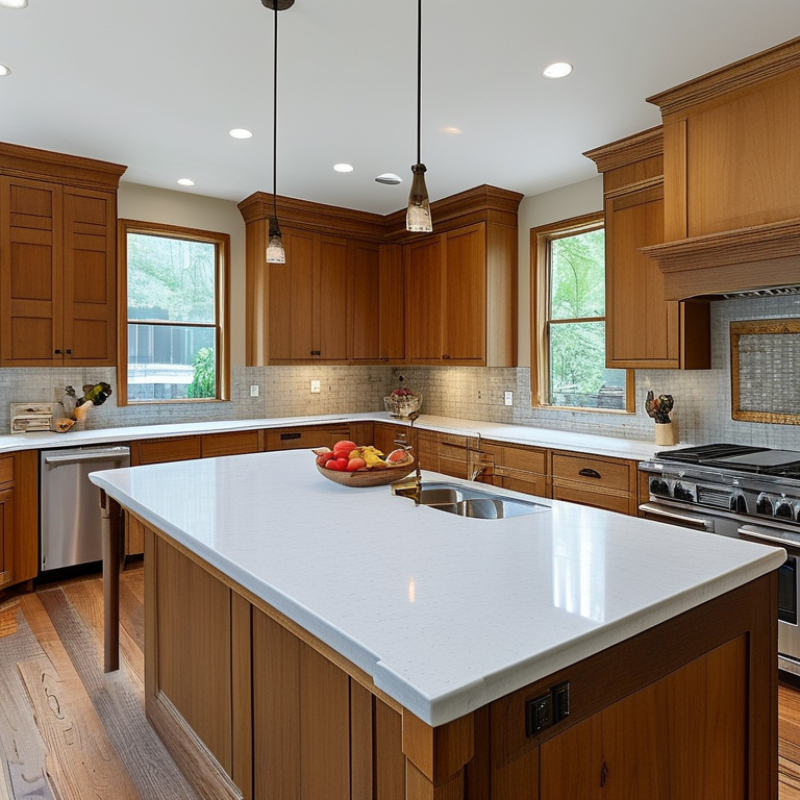
Advantages of Plywood in Cabinet Construction and Design
When considering materials for cabinet construction, plywood stands out for several reasons. Plywood is made from thin layers of wood veneer, bonded together under heat and pressure. This unique structure provides strength and stability. According to the American Plywood Association, plywood has a high strength-to-weight ratio, making it ideal for cabinets that need to support heavy items.
One major advantage of plywood is its resistance to warping and shrinkage. This is especially important in high-humidity areas like kitchens and bathrooms. The moisture-resistant varieties available in the market ensure that your cabinets maintain their shape over time. In contrast, solid wood can be prone to these issues. However, cheaper plywood options may compromise durability and aesthetics.
When designing cabinets, plywood can be finished in numerous styles, offering versatility in aesthetics. It can be stained or painted to match any decor. Additionally, some people appreciate the natural look of wood veneer, which can add warmth to a space. Yet, not all plywood is created equal. Higher grades are often more expensive, so budget considerations are essential.
Plywood cabinets can also be more eco-friendly if sourced responsibly. Look for products certified by organizations like the Forest Stewardship Council (FSC). This can ensure that the plywood is made from sustainable materials.
A little research and patience can go a long way in selecting the best plywood for your needs. Consider various options and availability before making a decision. Remember to factor in the long-term performance of the material, as it can influence your satisfaction with the final product.
The Durability of Solid Wood vs. Engineered Materials for Cabinets
Solid wood cabinets offer unmatched durability and beauty, but engineered materials have gained considerable traction in recent years. According to a report by the Cabinet Makers Association, solid wood cabinets can last over 50 years with proper care. In contrast, high-quality engineered materials, such as MDF and plywood, have shown excellent resistance to warping and moisture, making them suitable for various environments.
When choosing between these materials, consider how each performs under stress. Solid wood is prone to scratches and can swell with humidity, while engineered options often resist these issues better. Interestingly, some studies indicate that engineered materials can weigh less and offer more flexibility in design, but they might not withstand heavy impacts as well as solid wood.
Beware of versatility. Engineered materials can mimic many wood finishes, but they may lack the unique character of solid wood. Always think about your long-term needs when making a choice. If durability is paramount, solid wood may be the better bet. However, engineered materials can provide cost-effective solutions without compromising on aesthetics or usability.
Comparative Analysis of MDF and Particle Board for Kitchen Cabinets
When it comes to kitchen cabinets, choosing the right material is crucial. MDF (Medium-Density Fiberboard) and particle board are two popular choices.
MDF is made from wood fibers glued together under heat and pressure. It has a smooth, dense surface, making it ideal for painted finishes. This makes MDF appealing for modern designs.
Particle board is made from small wood particles. It's lightweight and cost-effective. However, its surface is generally less smooth than MDF. This can limit its suitability for detailed finishes.
Additionally, it is more susceptible to moisture damage. In kitchens, where spills are common, this is a significant consideration. Choosing between these materials involves evaluating durability and aesthetics.
Both options have merits. MDF offers strength and a flawless look, while particle board appeals to budget-conscious homeowners. However, particle board often requires careful handling during installation.
Understanding the limitations of each material is essential. Without adequate protection, both can wear down over time, leading to regrets in choice. Ultimately, it’s about balancing quality, cost, and design needs.
Cost-Effectiveness of Laminate Finishes in Cabinet Design
When it comes to cabinet design, laminate finishes stand out for their cost-effectiveness. Laminate is widely praised for its affordability. It offers a variety of colors and patterns, making it easy to match any decor style. Homeowners can achieve a high-end look without breaking the bank. This is particularly appealing for those on a budget.
The durability of laminate is another key point. It withstands wear, is resistant to scratches, and is easy to clean. However, some may find it less appealing than natural wood. Each material has its disadvantages. Laminate can feel less warm compared to solid wood options. This can lead to a less inviting atmosphere in the kitchen or bathroom.
Despite these concerns, many see laminate as a reliable choice for cabinet design. It balances form and function fairly well. It's essential to weigh the long-term considerations of laminate versus traditional materials. While laminate excels in cost, the choice of finish will significantly impact the overall aesthetics. This makes thoughtful selection crucial for lasting satisfaction.
Top 10 Best Materials for Cabinets You Should Consider
Sustainability Factors: Bamboo as an Eco-Friendly Cabinet Material
Bamboo has gained recognition as an eco-friendly material for cabinets. Its rapid growth and renewable nature make it a sustainable choice. Unlike traditional hardwoods, bamboo can be harvested every three to five years. This reduces the stress on forests and promotes biodiversity. Many environmental experts recommend it for sustainable home design.
When using bamboo for cabinetry, it's essential to consider durability. Although bamboo is strong, it can be susceptible to scratches. Proper care and maintenance are crucial. Additionally, bamboo cabinets may require specific finishes to enhance moisture resistance. Their aesthetic appeal often lies in their unique grain patterns, but variations can lead to inconsistent looks.
The environmental impact of bamboo extends beyond harvesting. The manufacturing process typically uses fewer chemicals compared to other materials. However, some producers might still rely on harmful adhesives. Choosing certified options is vital for genuine sustainability. Consumers should ask questions and research brands to ensure their bamboo cabinets align with eco-friendly practices.
Conclusion
When considering what is the best material for cabinets, several options provide distinct advantages based on durability, cost, and environmental impact. Plywood stands out due to its strength and versatility in design, making it an excellent choice for both residential and commercial cabinetry. Solid wood, while offering timeless aesthetics, may compare differently in durability against engineered materials like MDF and particle board, which are prevalent in budget-friendly kitchen designs.
Laminate finishes shine in cost-effectiveness, providing a variety of styles while maintaining a durable surface. Additionally, bamboo emerges as a sustainable choice, appealing to eco-conscious consumers. Each material has unique characteristics, and the decision ultimately hinges on individual preferences regarding aesthetics, functionality, and environmental responsibility.

 Cropa Home