2026 How to Organize Shelves for Maximum Storage?

Time:2026-09-08 Author:Sophia
0%

In 2026, organized shelving is less about filling every inch and more about creating dependable access. A crowded shelf may hold more items, but it often wastes time and hides what you already own. The better goal is visible storage, balanced weight, and simple daily use. This guide explores what is the best way to organize shelves while considering room size, shelf depth, item frequency, and household habits.

Practical organizing experience shows that shelves work best when divided into clear zones. Keep daily items between waist and eye level. Store heavier objects on lower shelves. Reserve upper spaces for seasonal goods, spare linens, or rarely used equipment. Measure each shelf before buying containers. A basket that extends two centimeters too far can block doors or create awkward gaps. Small labels help, especially when several boxes look alike. Transparent bins can improve visibility, but they may also make shelves appear visually busy.

Use one container for one category. Keep chargers together. Group baking supplies by purpose. Leave a little empty space. It makes returning items easier. However, no system stays perfect forever. Children grow, routines change, and household needs shift. Recheck the shelves every few months, then adjust the layout without guilt. A reliable system should support real life, not demand unrealistic discipline. With careful measurements, sensible grouping, and honest review, your shelves can become calmer, safer, and more useful throughout the year.
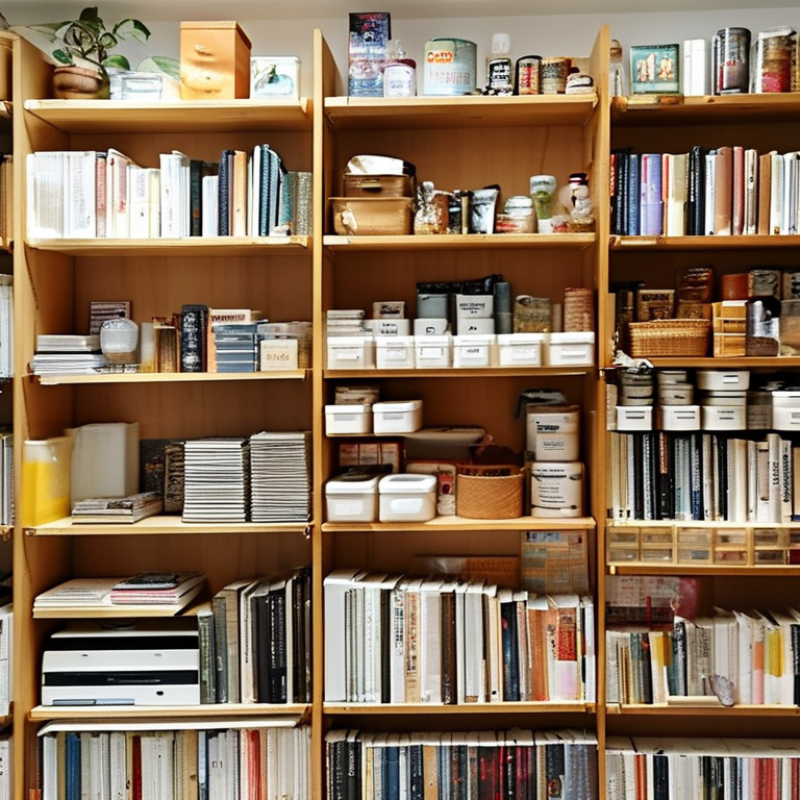
2026 How to Organize Shelves for Maximum Storage?

Assess Your Shelves and Storage Needs

Before organizing shelves, measure the life they must support. Record each shelf’s width, depth, height, and weight limit. Then list what actually enters the room: folded towels, food jars, tools, or children’s books. The 2024 U.S. Houzz Kitchen Trends Study reports that 94% of renovating homeowners upgrade their cabinets. That figure suggests storage is not a minor detail. It is a central planning decision.

Group items by frequency, not just by category. Keep daily plates between waist and eye level. Place seasonal cookware higher, but avoid lifting heavy boxes overhead. Leave a small gap above containers for easy removal. A 2023 ergonomics review from the International Journal of Industrial Ergonomics links awkward reaching with higher physical strain, especially during repeated tasks. Measure your largest object with its lid attached. I often forget that part.

Test capacity before buying bins or extra shelves. Place newspaper outlines on the shelf to represent each container. This exposes wasted corners and blocked doors quickly. Aim to use roughly 70–80% of available shelf space, leaving room for growth and safe handling. That range is practical, not universal. A growing household may need more flexibility. An honest assessment can reveal that one shelf is overloaded, another barely used, and a beautiful system still fails daily.

2026 How to Organize Shelves for Maximum Storage?

Assess each shelf by measuring its interior width, depth, and height. The chart compares estimated usable storage volume after allowing 10% for dividers, clearance, and easy access.

Planning tip: Assign the largest-capacity shelves to bulky or frequently used items, keep everyday essentials between waist and eye level, and reserve lower shelves for heavier containers.

Sort Items by Use, Size, and Category

A well-organized shelf starts with how often you use each item. Keep daily essentials at eye level, such as mugs, notebooks, or cooking tools. Place weekly items on the next shelf. Store seasonal or rarely used belongings higher up. This arrangement reduces searching and keeps busy areas calmer. I have found that use-based sorting saves more time than arranging items by appearance alone.

Then sort each group by size and category. Put tall containers at the back and shorter pieces in front, so every item remains visible. Keep similar objects together, such as baking supplies, office papers, or cleaning cloths. Leave a small gap between categories. Overfilled shelves hide forgotten items and make restocking harder. My own system is not perfect; some mixed categories return after a busy week. That shows where the layout needs adjustment.

Tips: Measure shelf height before storing bulky items. Use shallow bins for small pieces, but label only when necessary. Labels can help, though too many create visual clutter. Review the shelves every few months. Remove damaged or unused items, and test whether each object still belongs in its assigned zone. Keep heavy items on lower shelves to improve stability and reduce lifting strain. A simple photo of the finished shelf can also guide everyone in the household.

Plan Storage Zones and Assign Each Item a Place

A well-organized shelf begins with storage zones, not attractive containers. Divide the shelves by daily routines, such as cooking, cleaning, reading, or office work. Keep frequently used items between waist and eye level. Store heavy objects on lower shelves to reduce lifting risks. Reserve the highest spaces for seasonal or rarely needed belongings.

Measure each shelf before assigning items. Note its width, depth, and height. Then group similar objects together. Place cooking pans near preparation tools, and keep spare towels close to the bathroom. Every item needs a clear home. Labels can help, especially when several people share the space. Leave a little empty room. Crowded shelves become difficult to maintain.

My first arrangement looked neat but worked poorly. I placed small tools in a deep basket, so I had to remove everything to find one. A shallow tray worked better. Still, the system is not perfect. Some items change purpose during the week. Review each zone after seven days, and move anything that feels inconvenient. A simple rule helps: return an item to its assigned place immediately after use. Keep the placement logical, not merely symmetrical.

Use Vertical Space and Adjustable Organizers

How to Organize Shelves for Maximum Storage?

Use vertical space and adjustable organizers to make every shelf work harder. The National Association of Home Builders’ 2024 What Home Buyers Really Want report found that 85% of buyers consider a walk-in pantry desirable or essential. That demand reflects a practical problem: shelves often waste the space above stored items. Measure the tallest object first, then add adjustable risers, stackable bins, or narrow shelf inserts. Keep daily dishes at eye level. Store seasonal supplies higher.

Vertical storage also helps smaller homes. The 2023 American Community Survey shows that roughly 29% of U.S. households have one occupant, making efficient storage especially useful in compact rooms. Use shelf dividers for folded clothes, clear containers for loose tools, and back-of-shelf bins for rarely used items. Leave a small gap between containers. Airflow matters.

Anchor tall units securely, especially in homes with children or pets. Check each shelf’s weight rating before adding books, appliances, or canned goods. Heavy items belong low. Adjustable organizers are useful, but they are not magic. Too many inserts can reduce access and create visual clutter. I sometimes over-organize a shelf, then remove half the dividers after a week. That correction is valuable. Measure twice. Keep the system easy to change.

Label, Maintain, and Improve the Organization System

A well-organized shelf begins with labels that match real daily habits. I label each section by use, not by vague categories. “Breakfast supplies” works better than “Food.” Clear words reduce searching and prevent misplaced items. I place labels at eye level, using large, dark text. Small containers receive smaller labels on their front edges. I also add dates to opened products when freshness matters.

Keep labels consistent. Use the same format, language, and position across every shelf. A simple inventory list helps track duplicates and low supplies. Once a week, I remove empty packages, wipe dusty surfaces, and return items to their assigned places. This short routine usually takes less than ten minutes. Do not wait for a major cleanup.

The system should change when your habits change. If one shelf becomes crowded, measure the items before adding storage containers. Group heavy objects on lower shelves and keep frequently used items within easy reach. I once labeled a section too precisely, and nobody followed it. The category sounded logical but felt awkward in practice. I revised it after watching how the shelf was actually used. That small mistake taught me to test labels for a week before fixing them permanently. Leave some empty space. Shelves need room for real life.

FAQS

: How should I divide shelves into storage zones?

: Group shelves by routines, such as cooking, cleaning, reading, or office work. Keep related items together. Make each item’s home obvious.

Where should frequently used items go?

Place daily-use items between waist and eye level. Put heavy objects on lower shelves. Keep seasonal supplies in higher spaces.

What measurements should I take before organizing?

Measure each shelf’s width, depth, and height. Measure the tallest item before adding risers or inserts. Small gaps improve access.

How can vertical space increase storage?

Use adjustable risers, stackable bins, or narrow shelf inserts. These tools fill empty space above shorter items. Too many organizers can backfire.

How can I make shared shelves easier to maintain?

Label containers when several people use the space. Store similar objects together. Return each item immediately after use.

What should I do with small tools?

Use a shallow tray instead of a deep basket. Deep baskets can hide one small tool beneath many others. That happened in my arrangement.

How much empty space should shelves have?

Leave a small gap between containers and some open shelf space. Crowded shelves are harder to clean and maintain. Airflow matters.

How often should I review my shelf arrangement?

Check each zone after seven days. Move anything that feels inconvenient. A neat layout may still work badly.

How can I improve safety around tall shelving?

Anchor tall units securely, especially around children or pets. Check every shelf’s weight rating. Keep books, appliances, and canned goods low.

Conclusion

Organizing shelves for maximum storage begins with assessing the available space and identifying your storage needs. Consider the shelf dimensions, the types of items you own, and how often each item is used. Then sort everything by purpose, size, and category so similar items can be stored together. A useful question to guide the process is: what is the best way to organize shelves? The answer depends on creating a practical system that matches your daily habits.

Next, divide the shelves into clear storage zones and assign every item a specific place. Use vertical space by stacking items safely and adding adjustable organizers, risers, or small containers when needed. Keep frequently used items at eye level or within easy reach, while placing seasonal or rarely used belongings higher or farther back. Finish by labeling categories, reviewing the arrangement regularly, and adjusting the system as your needs change. A well-maintained shelf remains efficient, accessible, and easy to improve over time.

Sophia

Sophia

Sophia is a dedicated marketing professional with an exceptional depth of knowledge about her company's products and services. With a keen understanding of market trends and customer needs, she crafts insightful blog posts that not only inform but also engage readers, enriching the company’s online......